Apps have always had the edge on the mobile web. They open with a tap, cope with a bad connection and can reach people with a notification.
But an app has to be downloaded first, and plenty of people never get that far. Progressive web apps were built for that gap: websites that load fast on a weak connection, sit on the home screen and send notifications, with no app store in the way.
In 2017, Ola’s Android app was a 60MB download. The PWA it built for riders in India’s smaller cities needed about 200KB, and mobile traffic from those cities grew 68%, according to Google’s case study.
But are PWAs still a thing in 2026? Or is it just a passing trend, relegated to history?
This article covers 34 progressive web apps that are still live in 2026, across a range of different industries, showing you what’s possible with progressive web apps, and what kind of businesses are still running them.
How Can You Tell If a Website Is a PWA?
A website is a progressive web app when it has a web app manifest, which gives the browser its name, icon and how it opens, and usually a service worker, which handles caching, offline pages and push notifications. Our guide to progressive web apps explains how both work.
A site doesn’t necessarily display a banner saying if there’s a manifest or not, but you can check any site on this list yourself:
- On a computer, open it in Chrome or Edge. An install icon in the address bar means the site meets the browser’s install criteria.
- In Chrome’s DevTools, the Application panel shows the site’s manifest and any service workers it has registered.
- On an iPhone, any website can be added to the Home Screen from Safari’s Share menu, so that alone doesn’t make a site a PWA.
Being installable isn’t the whole story, either. Chrome no longer needs a service worker before it offers to install a site, so a site can be installable without working offline.
Which Companies Use Progressive Web Apps?
Various retailers, delivery services, social networks, publishers, travel companies and software makers all run progressive web apps. In general, if a good mobile user experience is a priority, it can make sense to have a PWA.
Here are some notable examples:
| Company | Category | Published results |
|---|---|---|
| Flipkart | Retail | 70% higher conversion for shoppers arriving from the home screen icon (Google, 2016) |
| Lancôme | Beauty | 17% more conversions (Google, 2017) |
| Mainline Menswear | Fashion | 55% higher conversion rate than its regular website (Google, 2021) |
| Rakuten 24 | Groceries and essentials | 200% higher conversion rate among shoppers who installed it (Google, 2020) |
| Tokopedia | Marketplace | 5x the conversion rate of its old mobile website (AMP Project, 2018) |
| Konga | Retail | 92% less data than the native app for the first load (Google, 2016) |
| OLX | Classifieds | 250% more re-engagement (Google, 2017) |
| Social | 843% more new sign-ups year over year (Pinterest, 2018) | |
| X (Twitter Lite) | Social | 65% more pages per session (Google, 2017) |
| Tinder | Dating | About 10% of the native apps' data cost (Chrome team, 2017) |
| Uber | Transport | Usable in about three seconds on 2G (Uber, 2017) |
| Ola | Transport | 68% more mobile traffic from smaller cities (Google, 2017) |
| Goibibo | Travel | 60% more conversions (Google, 2020) |
| Treebo | Hotels | Conversion rate up 4x year over year (Treebo, 2018) |
| Almosafer and Tajawal | Travel | Conversion rate doubled (Almosafer team, 2018) |
Now, let’s get into a deeper look at some of the most notable PWA examples running today.
Retail and Marketplace PWA Examples
Retailers and marketplaces were some of the first big brands to build PWAs, mostly for shoppers on slow networks and cheap phones. (Our article on ecommerce PWAs covers what a PWA does for an online store in more depth.)
1. Flipkart
Flipkart, one of India’s biggest online stores, runs its mobile website as Flipkart Lite, a PWA it built after briefly shutting its mobile site in 2015 to go app-only.
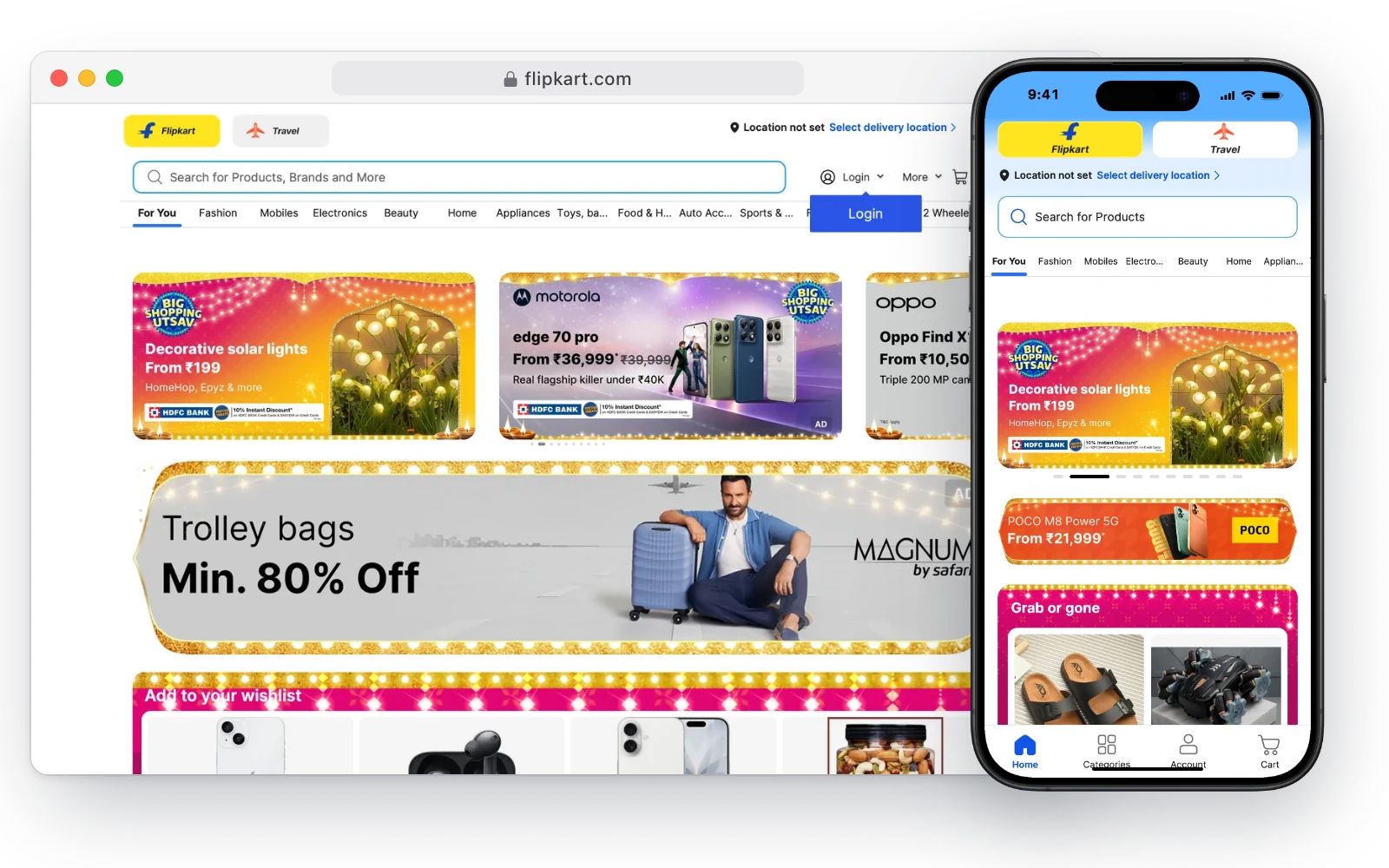
The PWA was designed for shoppers on 2G networks, who made up 63% of its users at the time. Shoppers who arrived from its home screen icon converted 70% more, and time on site tripled, according to Google’s 2016 case study.
Flipkart Lite still installs under that name today. Flipkart kept its native app too, which has a 4.6 rating from more than 7 million ratings on India’s App Store (October 2026).
2. SHEIN
SHEIN, the online fashion marketplace, runs its mobile website at m.shein.com as a PWA that installs on the home screen under the SHEIN name.
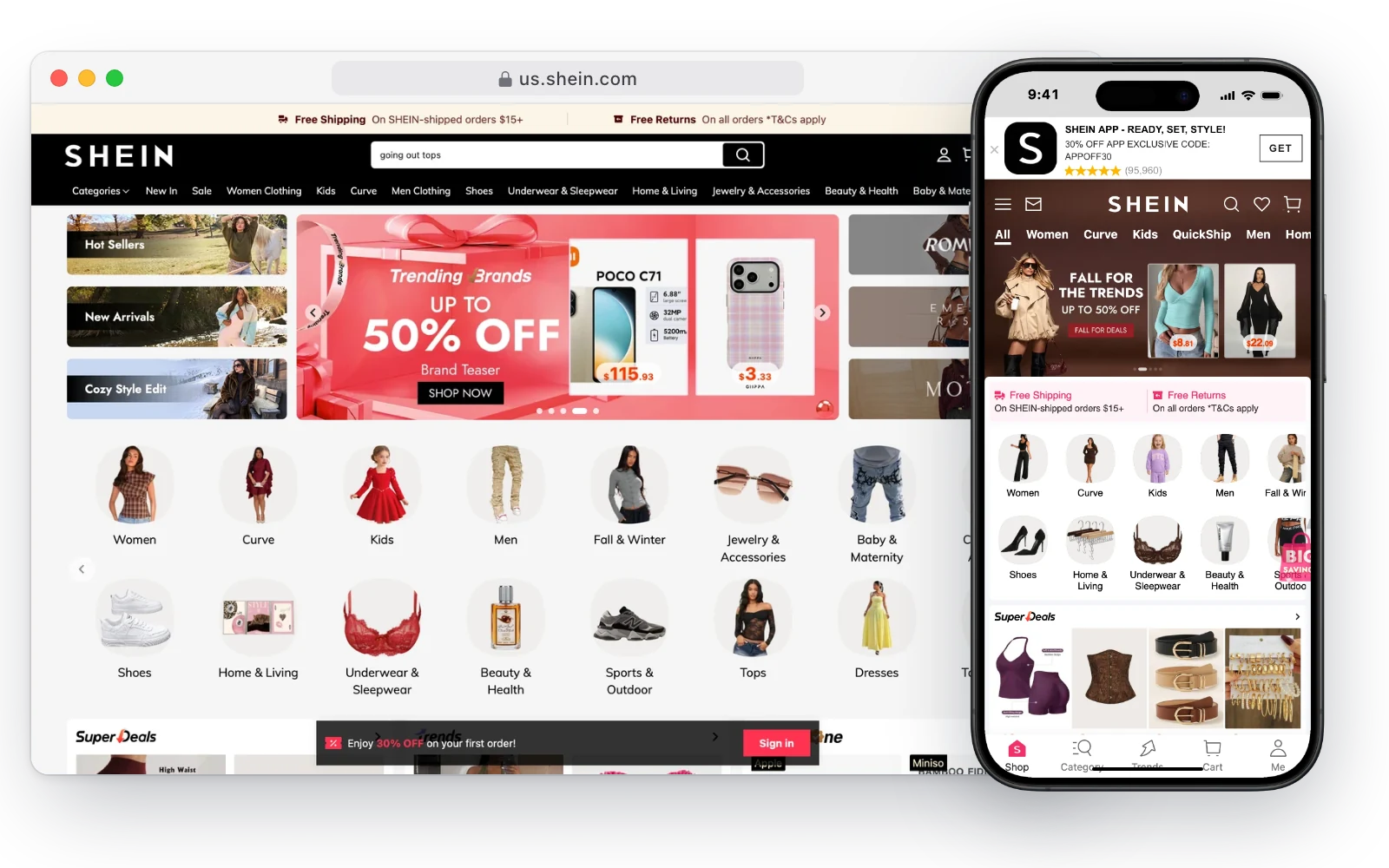
It looks and works much like SHEIN’s app, with a bar along the bottom for Shop, Category, Trends, Cart and your account, and a service worker behind it.
SHEIN hasn’t published results for its PWA, and the mobile site still invites visitors to download its native app.
3. Lancôme
Lancôme rebuilt its mobile website as a PWA after finding that only 15% of mobile carts turned into orders, against 38% on desktop.
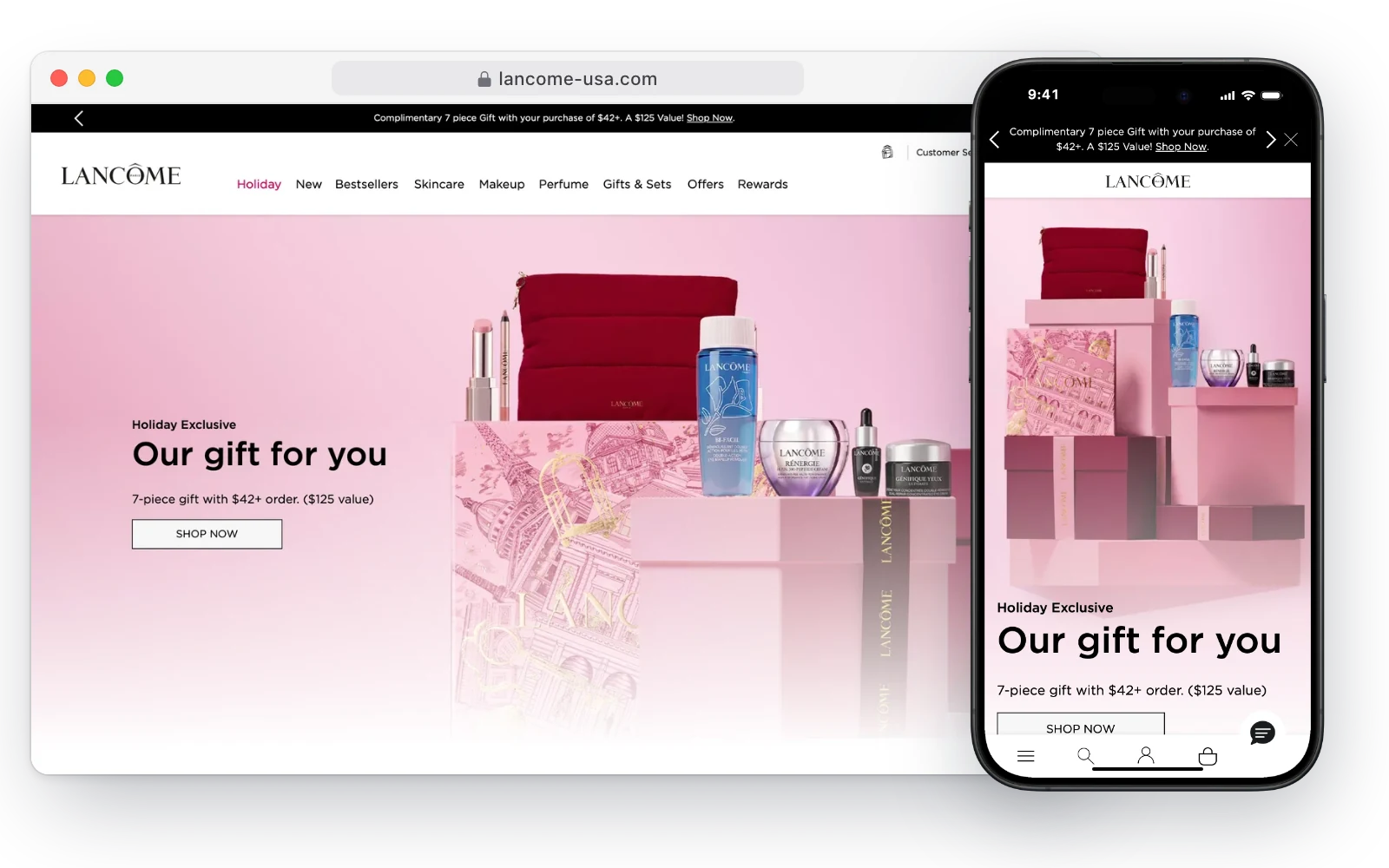
It considered an app first, but decided an app only made sense for customers who visited regularly. The PWA cut the time until a page was usable by 84% and lifted conversions 17%, according to Google’s 2017 case study.
Web push did well too. Lancôme’s notifications had an 18% open rate, and 8% of people who tapped one made a purchase.
4. Mainline Menswear
Mainline Menswear, a UK online retailer of designer menswear, added PWA features to its mobile website and then compared it with both its regular site and its hybrid app for iPhone and Android.
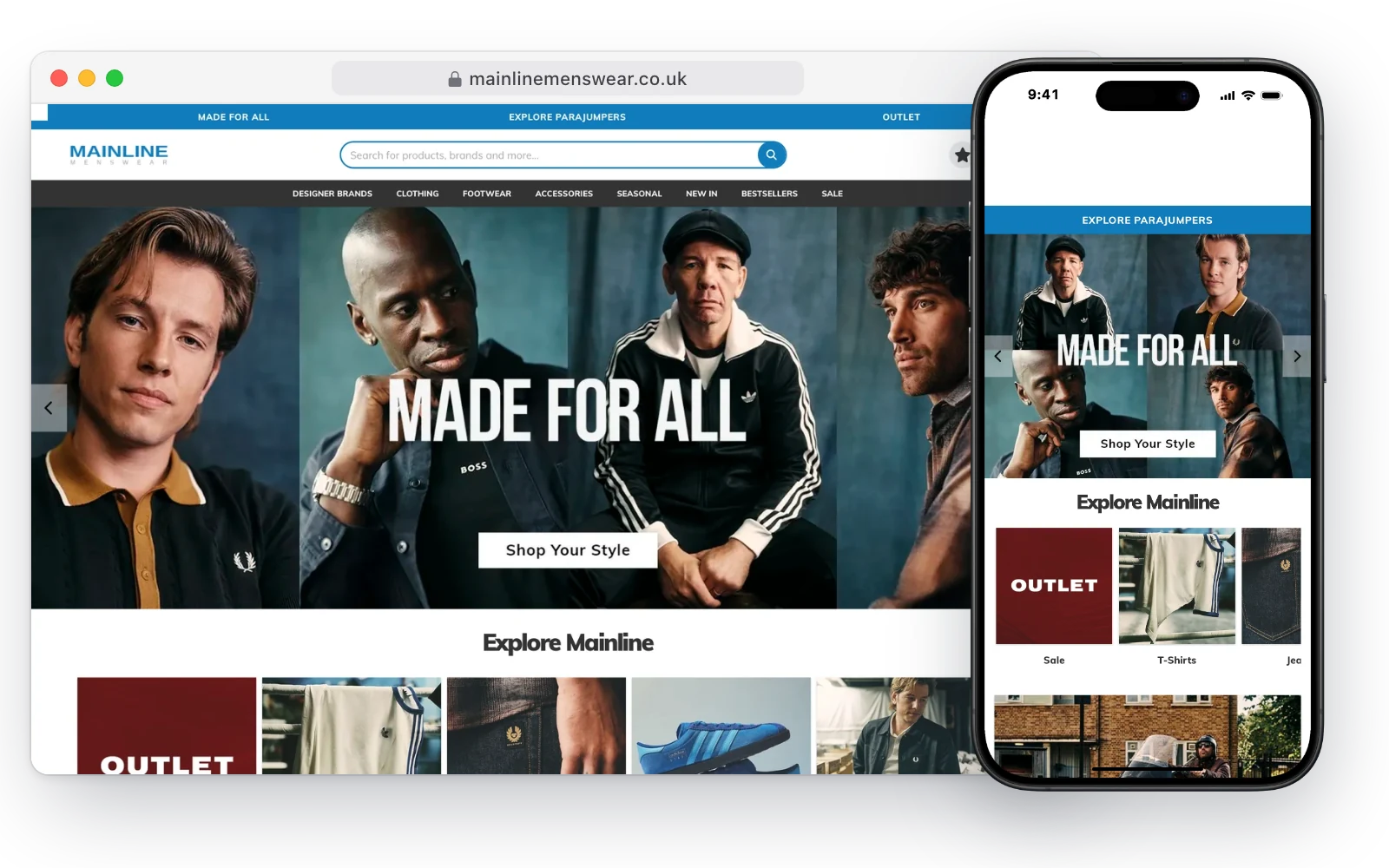
Among the shoppers who used it, the PWA converted 55% better than the regular website, with a 12.5% higher average order value and 243% more revenue per session, according to Google’s 2021 case study.
The test ran with a small group of Mainline’s shoppers, so treat the numbers as a signal rather than a forecast. Mainline still runs its own app in the App Store too.
5. Rakuten 24
Rakuten 24, Rakuten’s online store for groceries and everyday essentials in Japan, built a PWA because it wasn’t in a position to build separate iOS and Android apps.
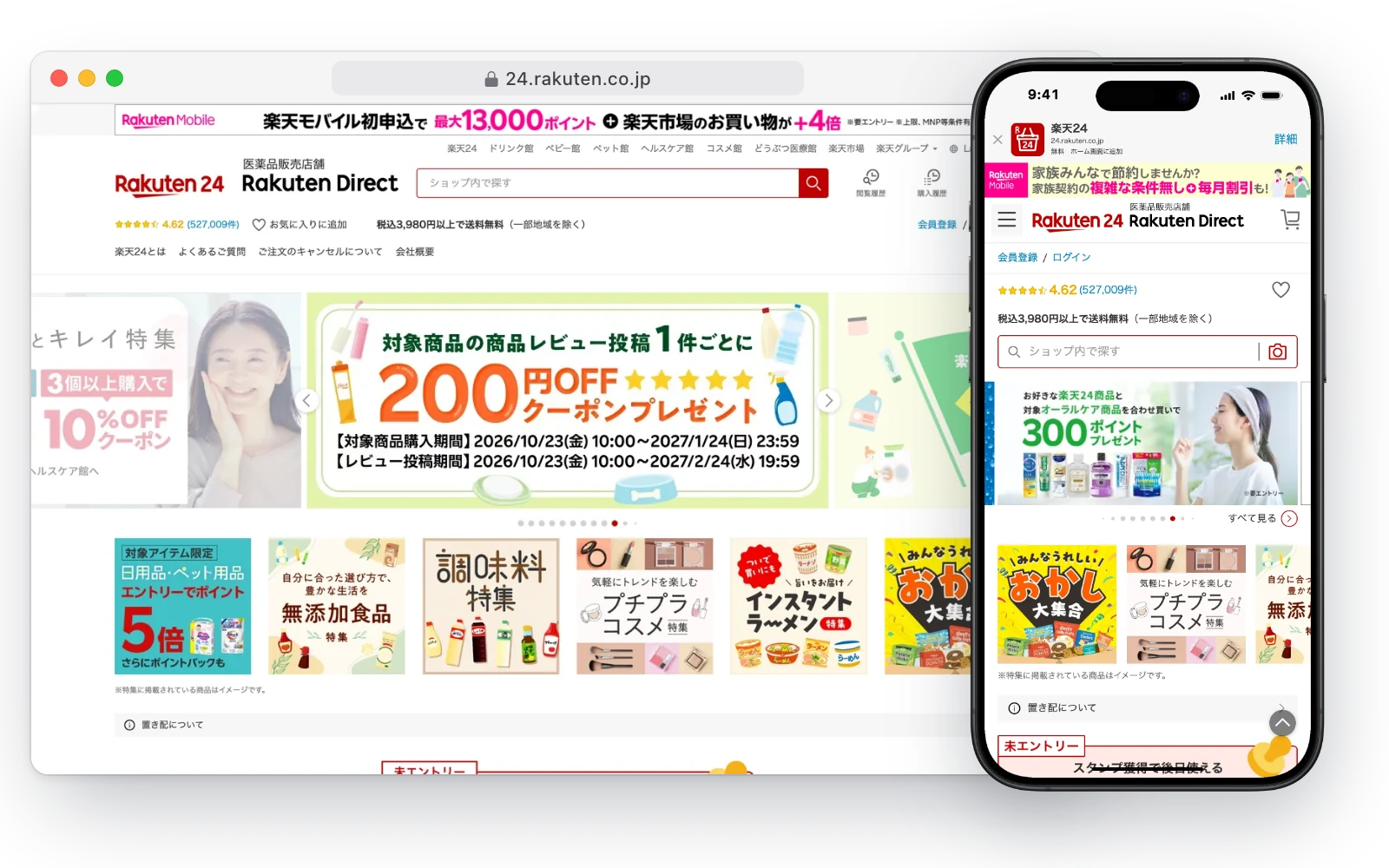
It focused on getting shoppers to install the PWA, with its own install prompt and a page of instructions for people who couldn’t use it. Over one month, shoppers who installed it visited 310% more often and converted 200% more than web shoppers who didn’t, according to Google’s 2020 case study.
6. Tokopedia
Tokopedia, one of Indonesia’s biggest online marketplaces, paired fast AMP landing pages with a PWA in 2018, so shoppers on cheap phones and 2G or 3G networks could arrive quickly and keep browsing.
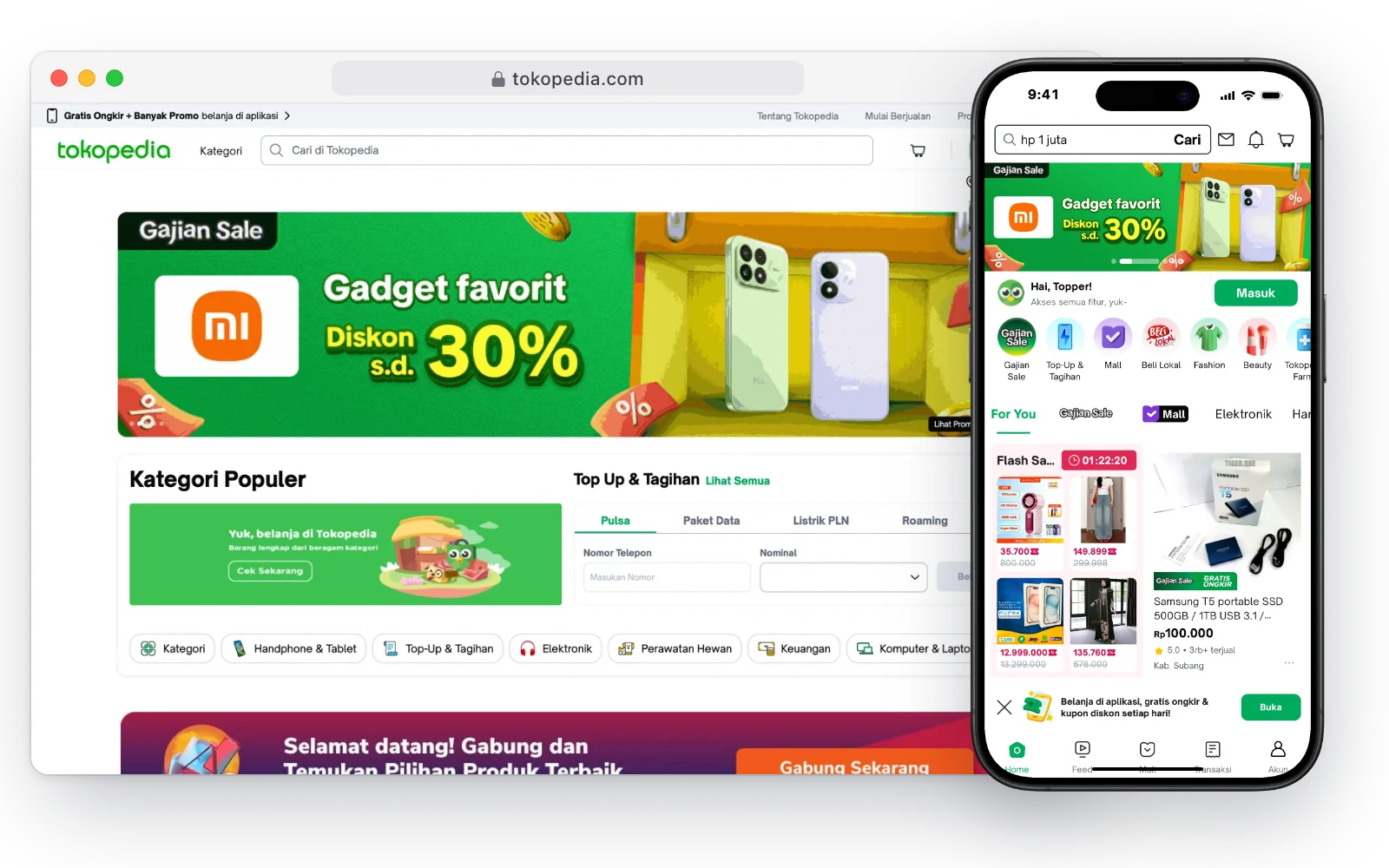
The PWA converted five times better than the mobile website it replaced, according to the AMP Project’s case study from 2018. It still installs today, with its own service worker.
7. Konga
Konga, one of Nigeria’s biggest online stores, built its PWA for shoppers who hesitated to spend expensive mobile data on downloading its native app.
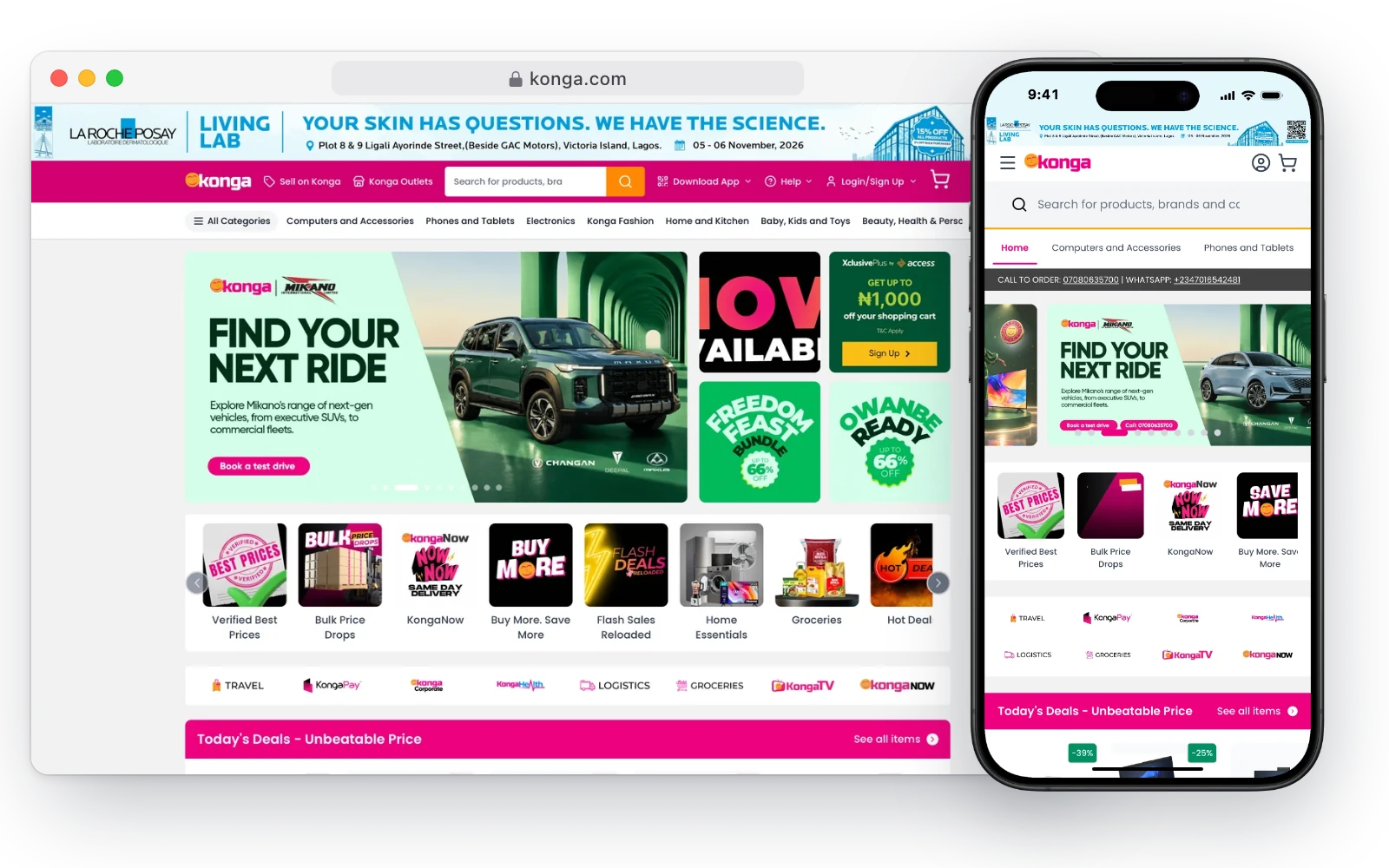
The PWA used 92% less data than the native app for the first load, according to Google’s 2016 case study. Shoppers could keep browsing categories offline, and even order by phone without a connection.
8. OLX
OLX, one of India’s biggest classifieds sites, launched a PWA in November 2016 to bring mobile web users back the way its app did, with push notifications and a prompt to add it to the home screen.
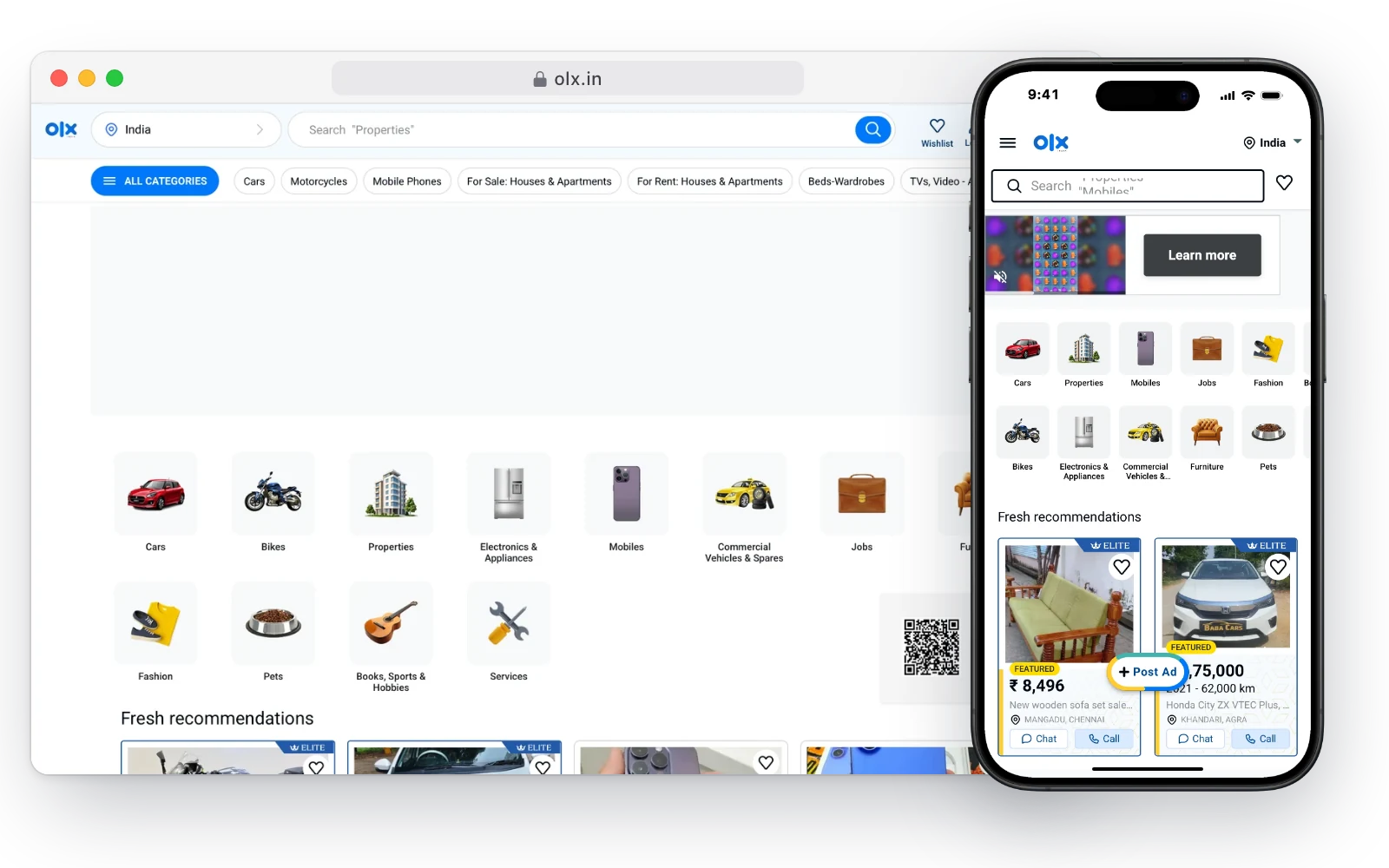
Re-engagement rose 250%, bounce rates fell 80% and clickthrough rates on ads rose 146%, according to Google’s 2017 case study. At the time, half of OLX’s visitors came through its native app and half through the mobile site, which still installs as OLX Lite.
Food and Grocery Delivery PWA Examples
Delivery services keep their websites installable too, so people who order on the web can come back from their home screen.
9. Instacart
Instacart’s website, where people order groceries from local stores for delivery or pickup, is a PWA that installs as Instacart and opens in its own window.
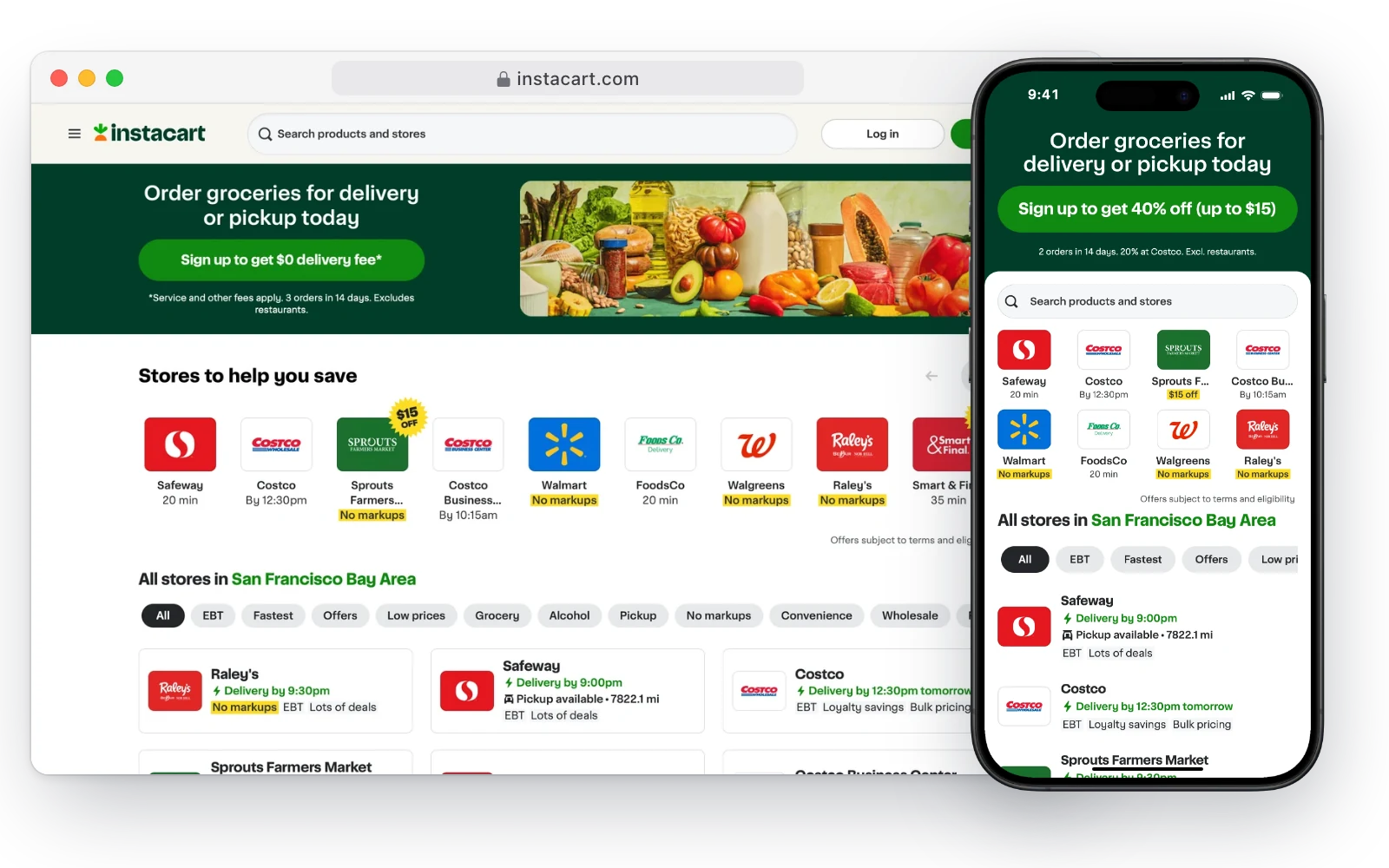
The installed site shows nearby stores, delivery times and deals, much like Instacart’s app. Instacart hasn’t published results for its PWA, and it runs a native app in the App Store too.
10. Uber Eats
Uber Eats’ website is a PWA as well, with its own manifest and service worker, separate from the one Uber built for booking rides.
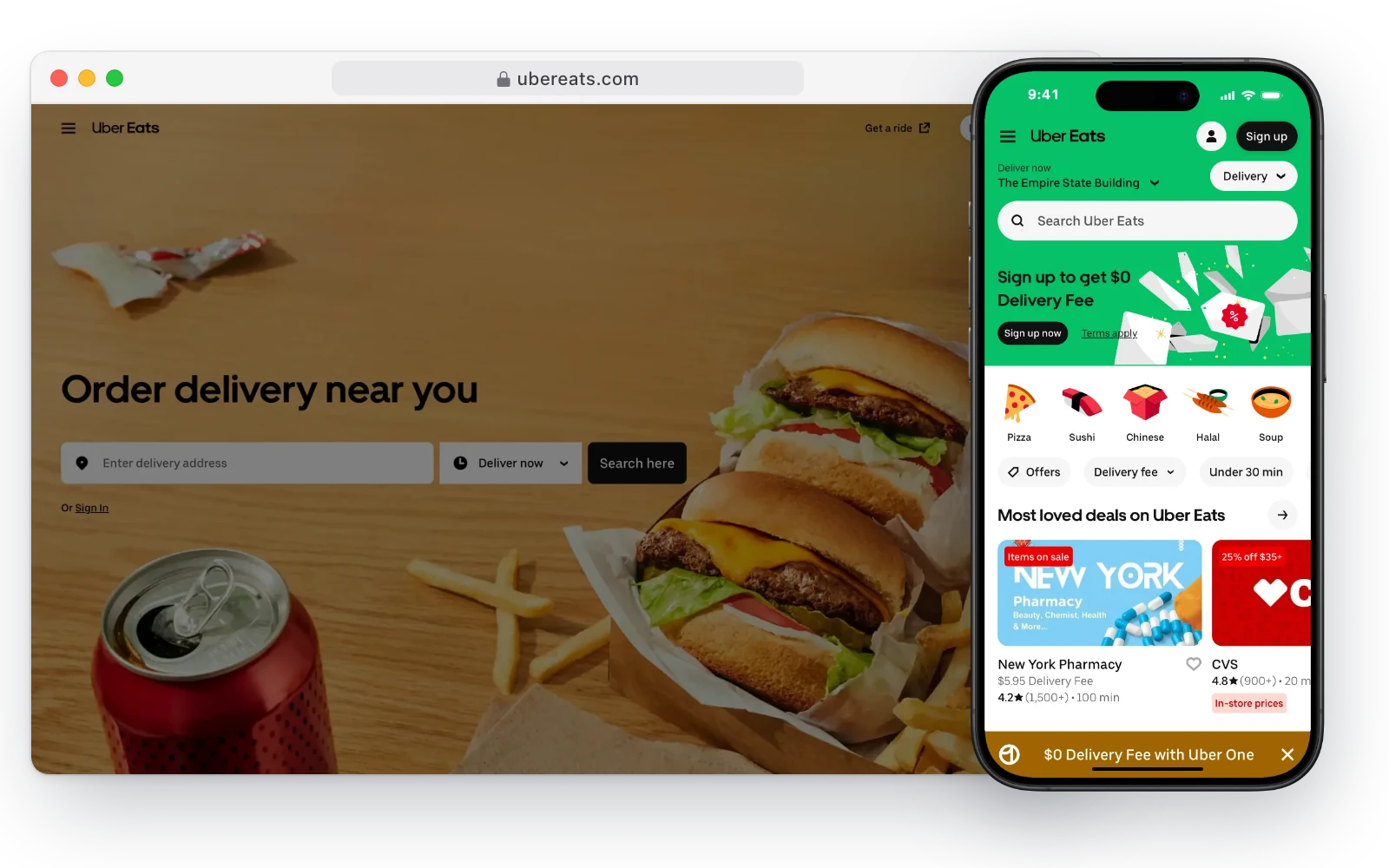
People can browse restaurants near an address and order without the app. Uber hasn’t published results for it, and the mobile site still asks visitors whether they’d rather carry on in the app.
Social and Messaging PWA Examples
Social networks build PWAs to reach people who don’t have their app yet, and to give logged-out visitors a reason to sign up.
11. Pinterest
Pinterest rebuilt its mobile website as a PWA in 2017, when the mobile site brought in less than 10% of its sign-ups.
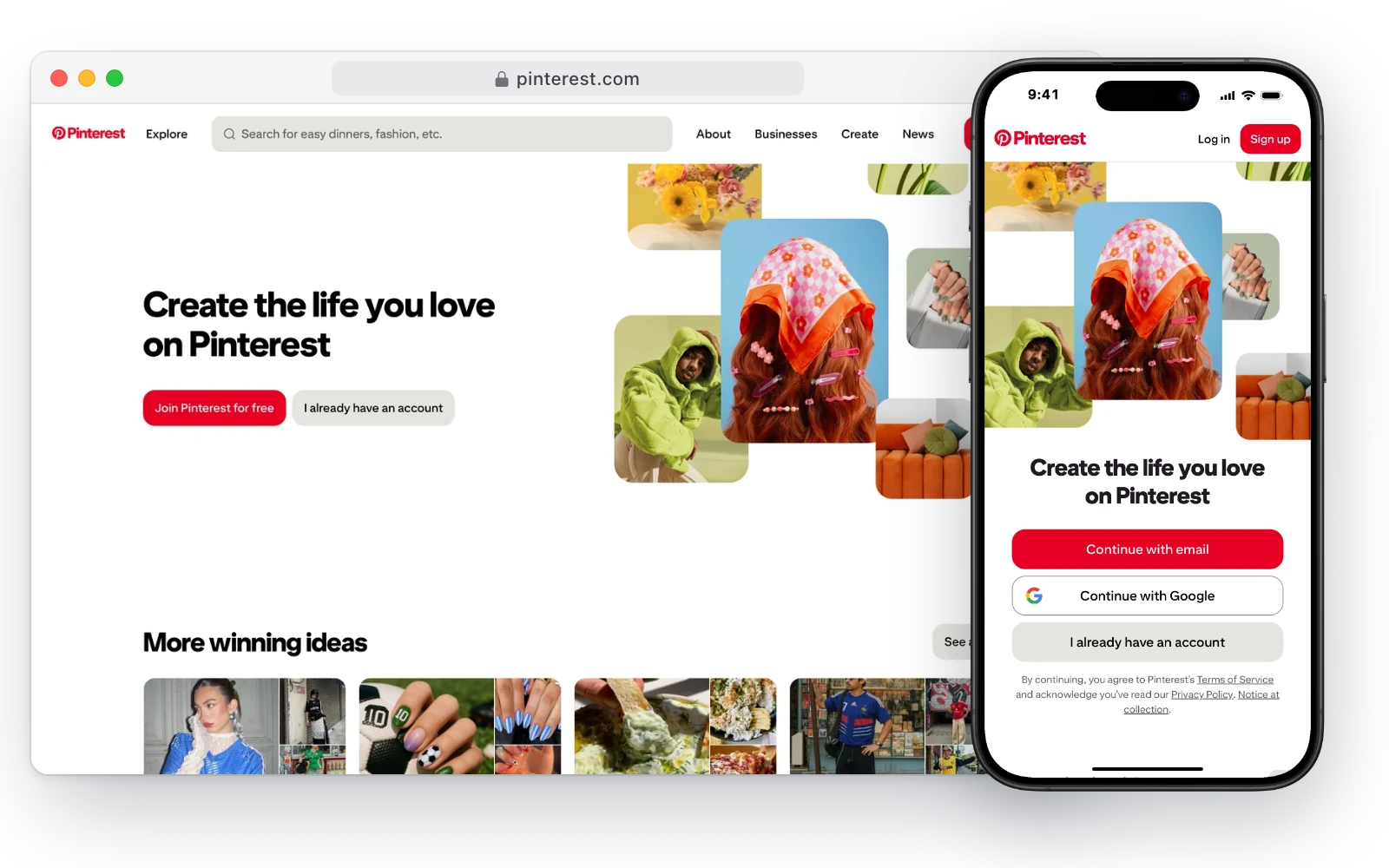
A year later, weekly active users on mobile web were up 103% and new sign-ups up 843% year over year, Pinterest Engineering reported in July 2018.
Within six months of the full launch, 800,000 people a week were opening the PWA from their home screen, the way they’d open an app.
12. X (Twitter Lite)
X’s mobile website began as Twitter Lite, a PWA that became Twitter’s default mobile web experience for every user worldwide in April 2017.
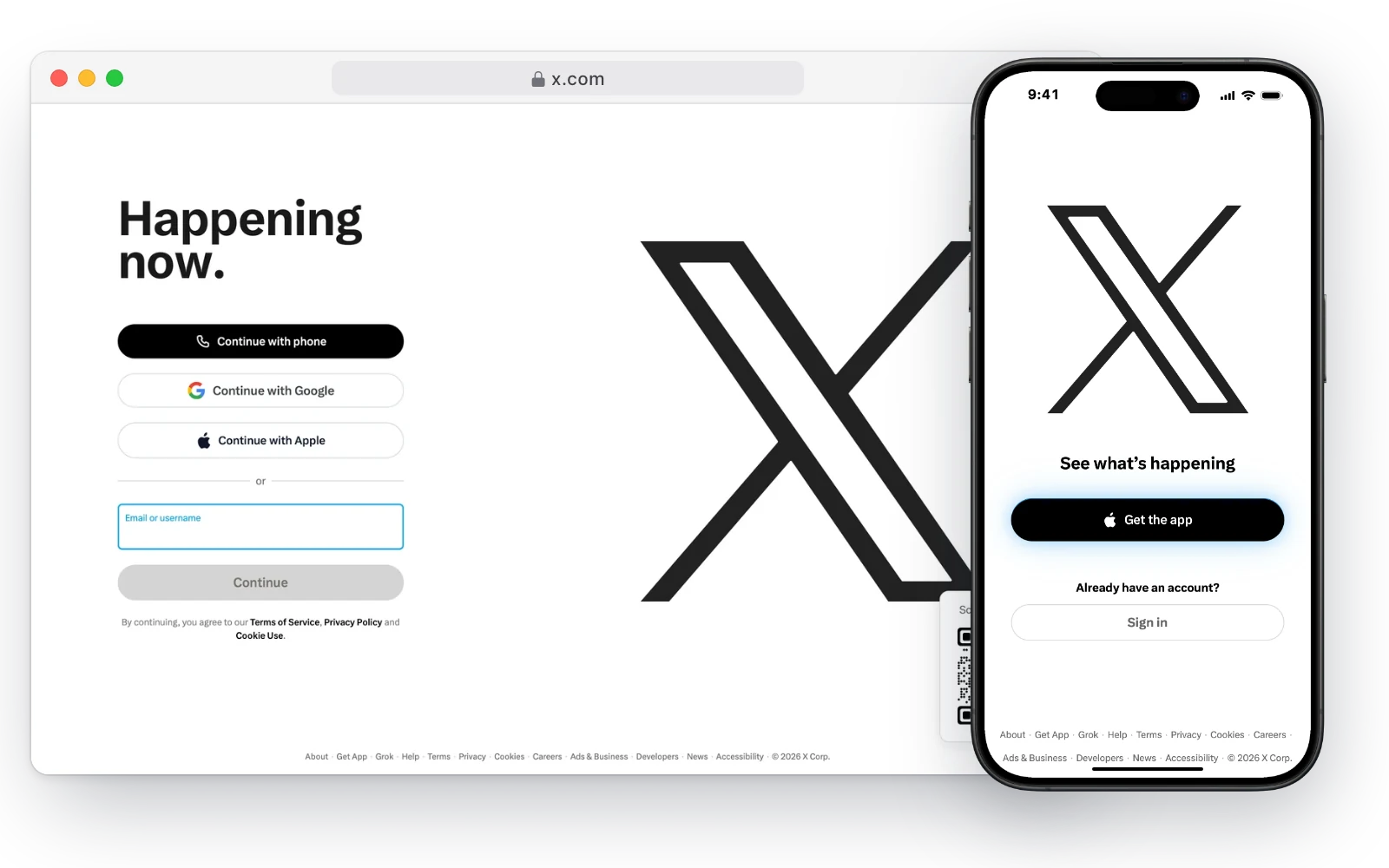
It brought 65% more pages per session, 75% more Tweets sent and a 20% lower bounce rate. It also needed about 600KB over the network, against 23.5MB to install Twitter’s Android app, according to Google’s 2017 case study.
The install prompt mattered too. Once Twitter started asking people to add Twitter Lite to their home screens, 250,000 people a day were opening it from there, four times a day on average.
13. Instagram
Instagram’s website is a PWA too. In February 2020, Instagram’s Windows app in the Microsoft Store was replaced by the PWA, which added direct messages on the desktop, Windows Central reported.
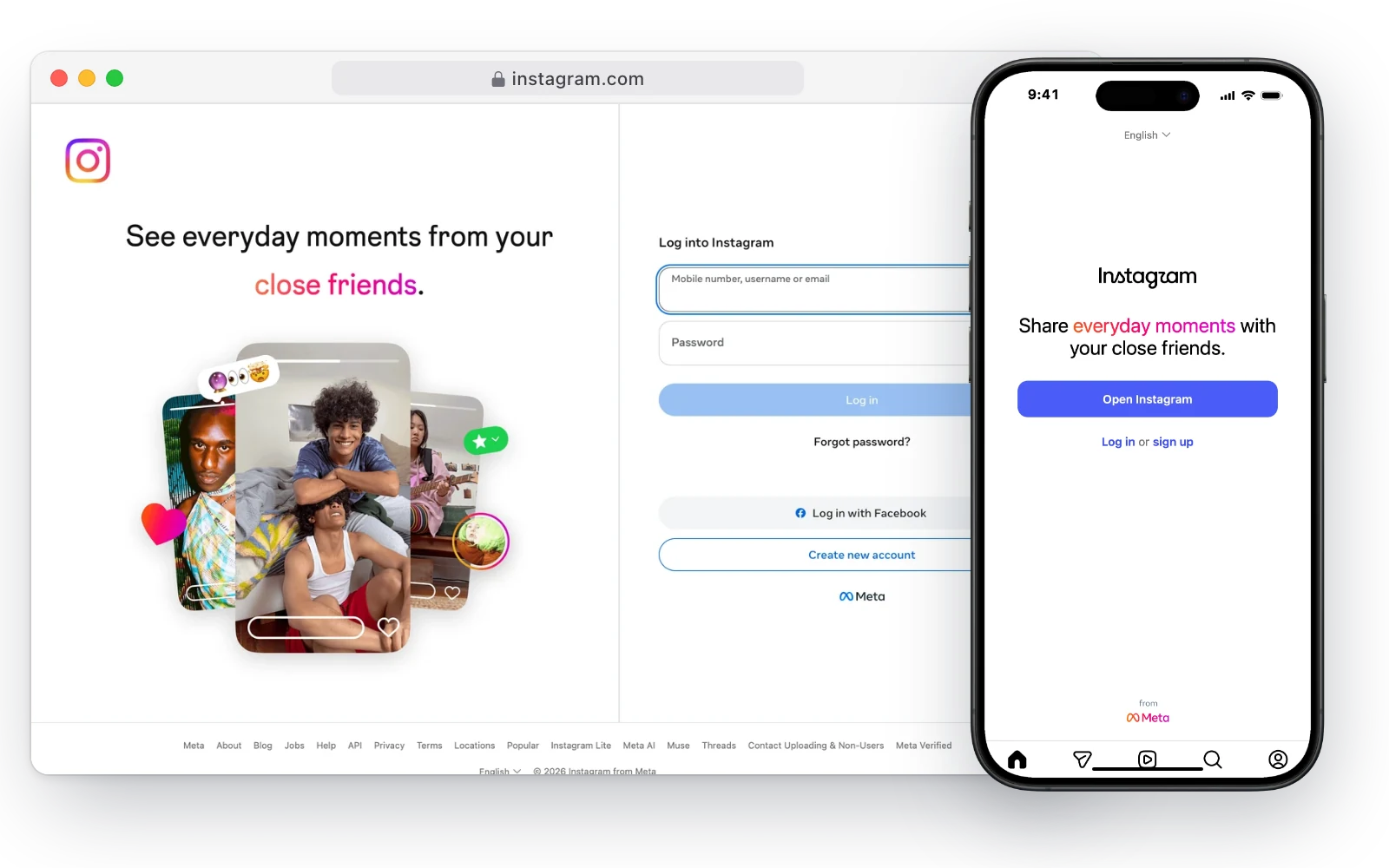
That’s one of the most common reasons big apps use PWAs on computers. Every change to the website reaches the desktop app at the same time, with no separate release.
14. Tinder
Tinder launched Tinder Online, a PWA for desktop and mobile, in 2017 to grow in markets where mobile data was expensive or scarce.
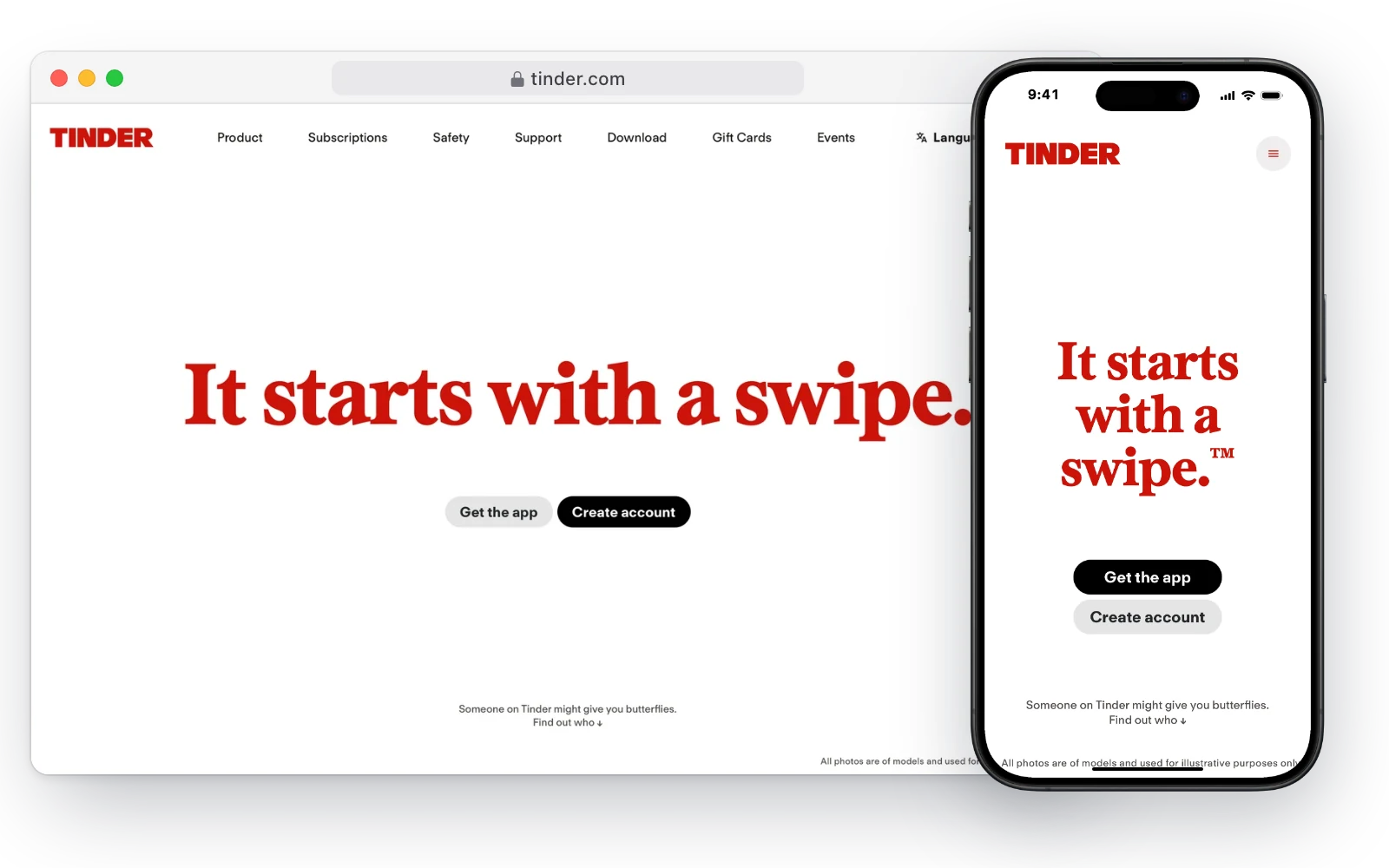
It delivered the core Tinder experience for about 10% of the data the native apps needed. Early on, people swiped and messaged more on the web than in the apps, and their sessions lasted longer, according to a Chrome team case study from December 2017.
15. Telegram
Telegram runs two official web versions, Telegram WebK and Telegram WebA, both listed on its apps page for computers and phones.
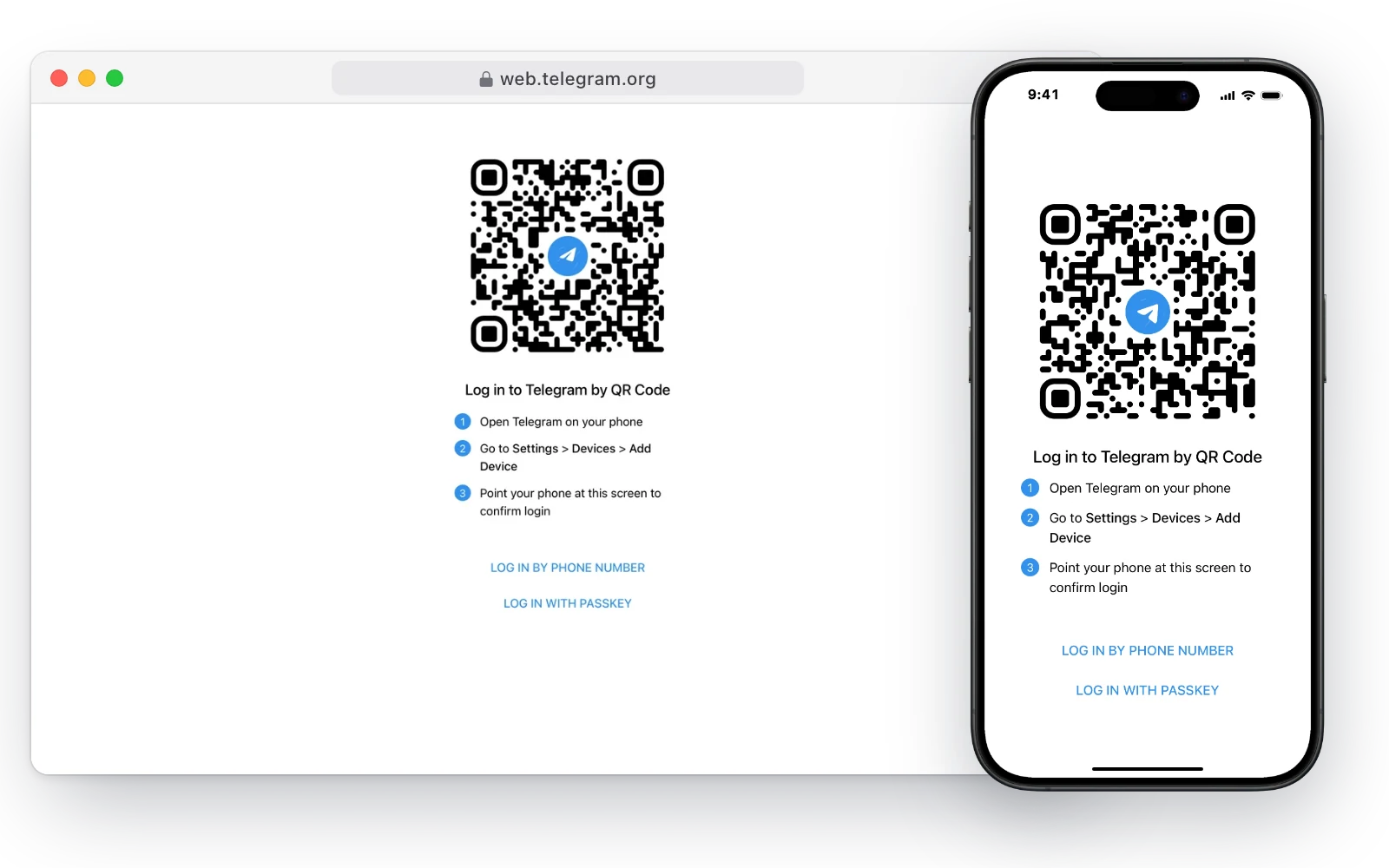
Both are installable PWAs with their own service workers, so you can pin Telegram to a taskbar or home screen and use it in its own window. They’re also open source, which makes them a useful reference if you’re building a real-time web app of your own.
Media and Entertainment PWA Examples
Publishers and streaming services use PWAs to give people an app-like way in without a download, on laptops and desktops as well as phones.
16. YouTube
YouTube became installable on computers in January 2021, after YouTube Music in 2019 and YouTube TV in 2020, 9to5Google reported.
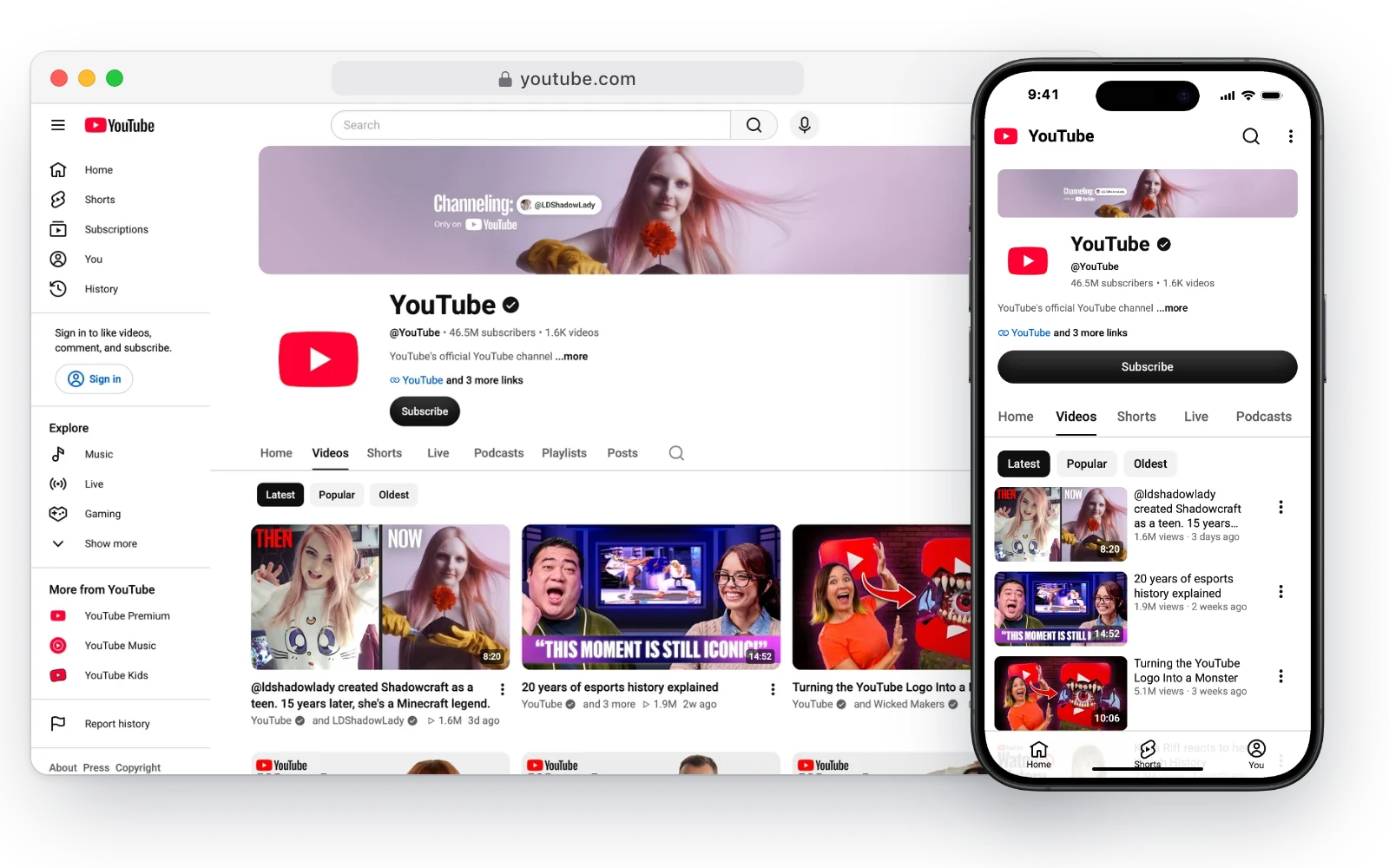
Installed from Chrome or Edge, it opens in its own window without an address bar, with an icon in the dock or taskbar. YouTube Music’s PWA also works with the media keys on a keyboard, 9to5Google noted at its launch.
17. Spotify
Spotify’s web player at open.spotify.com is a PWA that people can install from Chrome or Edge and use in its own window, much like a desktop app.
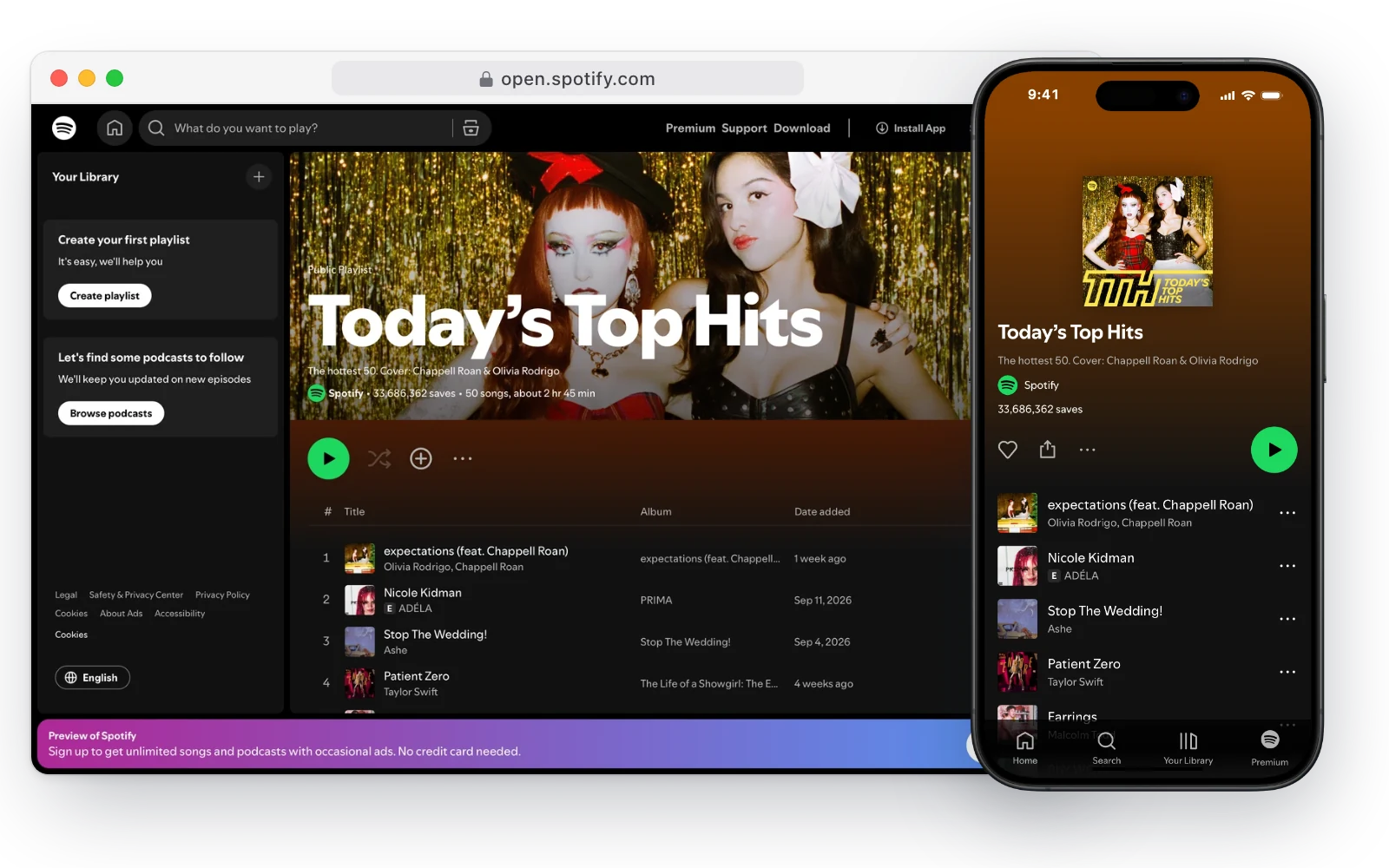
It’s a clean example of a PWA as a lighter alternative to a desktop download, for people who’d rather not install another program.
18. Apple Music
Apple launched its Apple Music web player at music.apple.com in September 2019, and it left beta in April 2020, iMore reported.
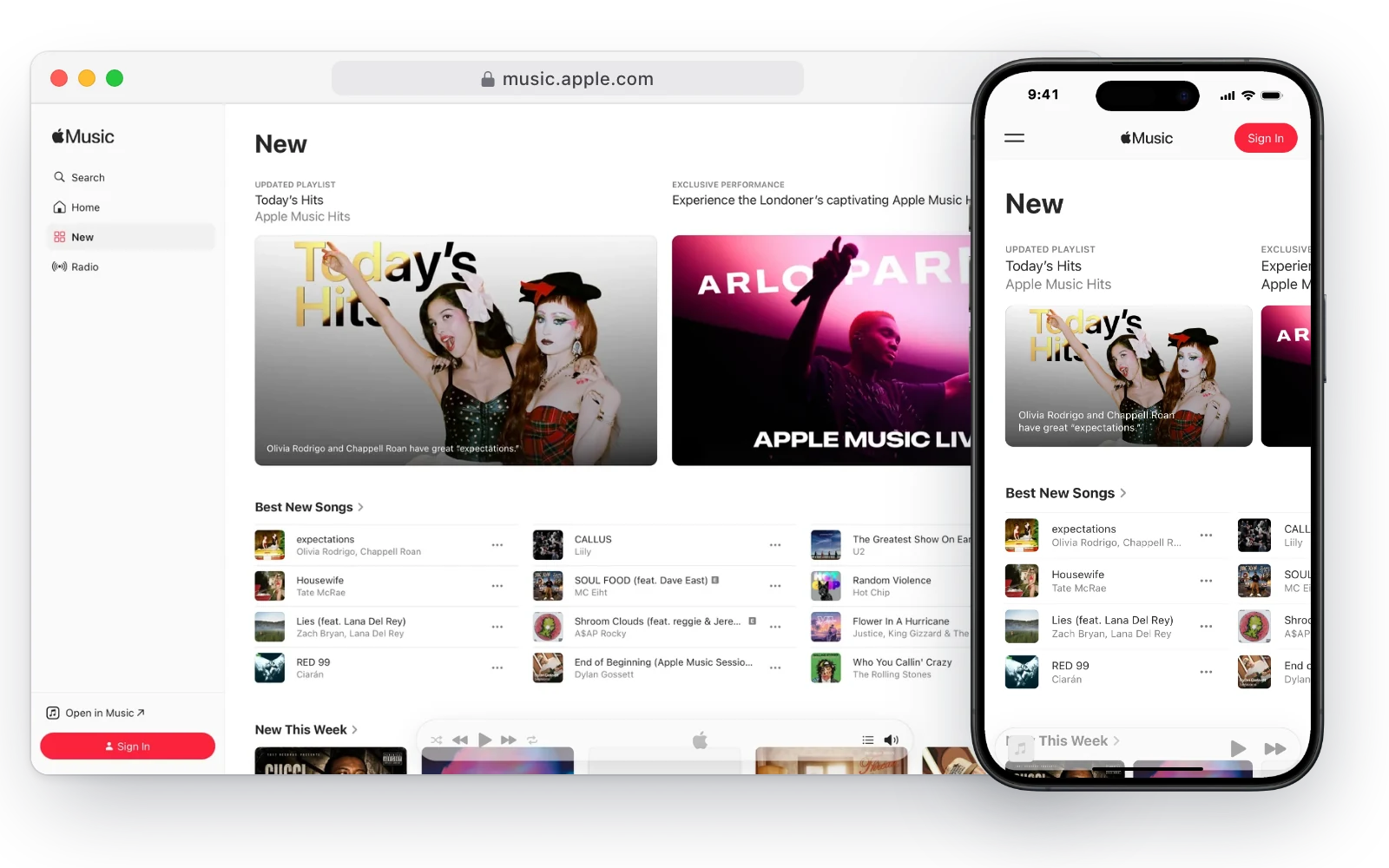
It has a web app manifest, so Chrome and Edge can install it with its own window and icon, next to Apple’s native Apple Music apps.
19. SoundCloud
SoundCloud offers an installable Desktop Player, which its help center describes as a “stand-alone app on the desktop” that doesn’t compete with your other browser tabs.
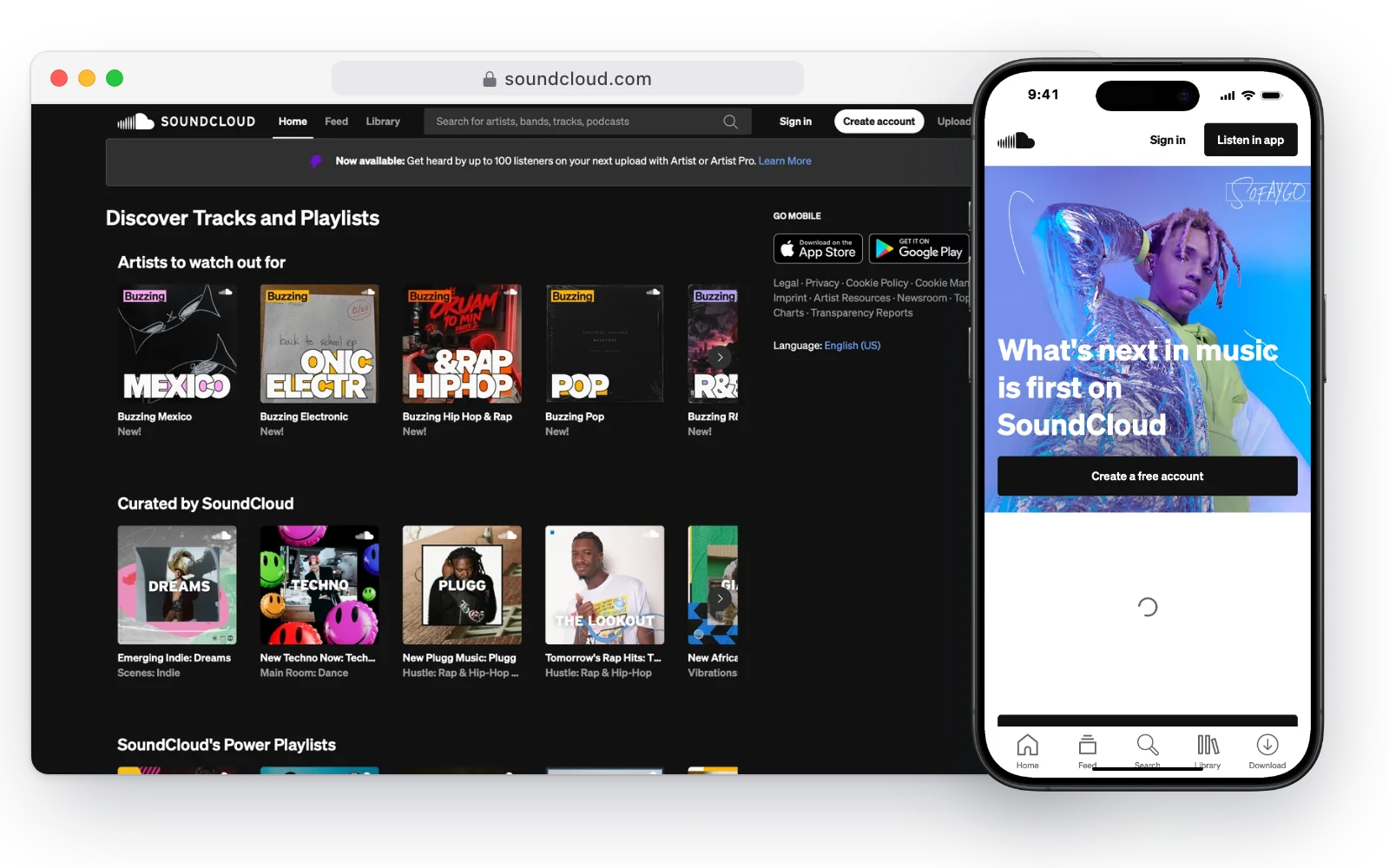
It installs from Chrome, Brave or Edge, and it’s the full soundcloud.com in a window of its own, with a service worker behind it.
20. Financial Times
The Financial Times launched its HTML5 web app at app.ft.com in June 2011, four years before the term progressive web app existed.
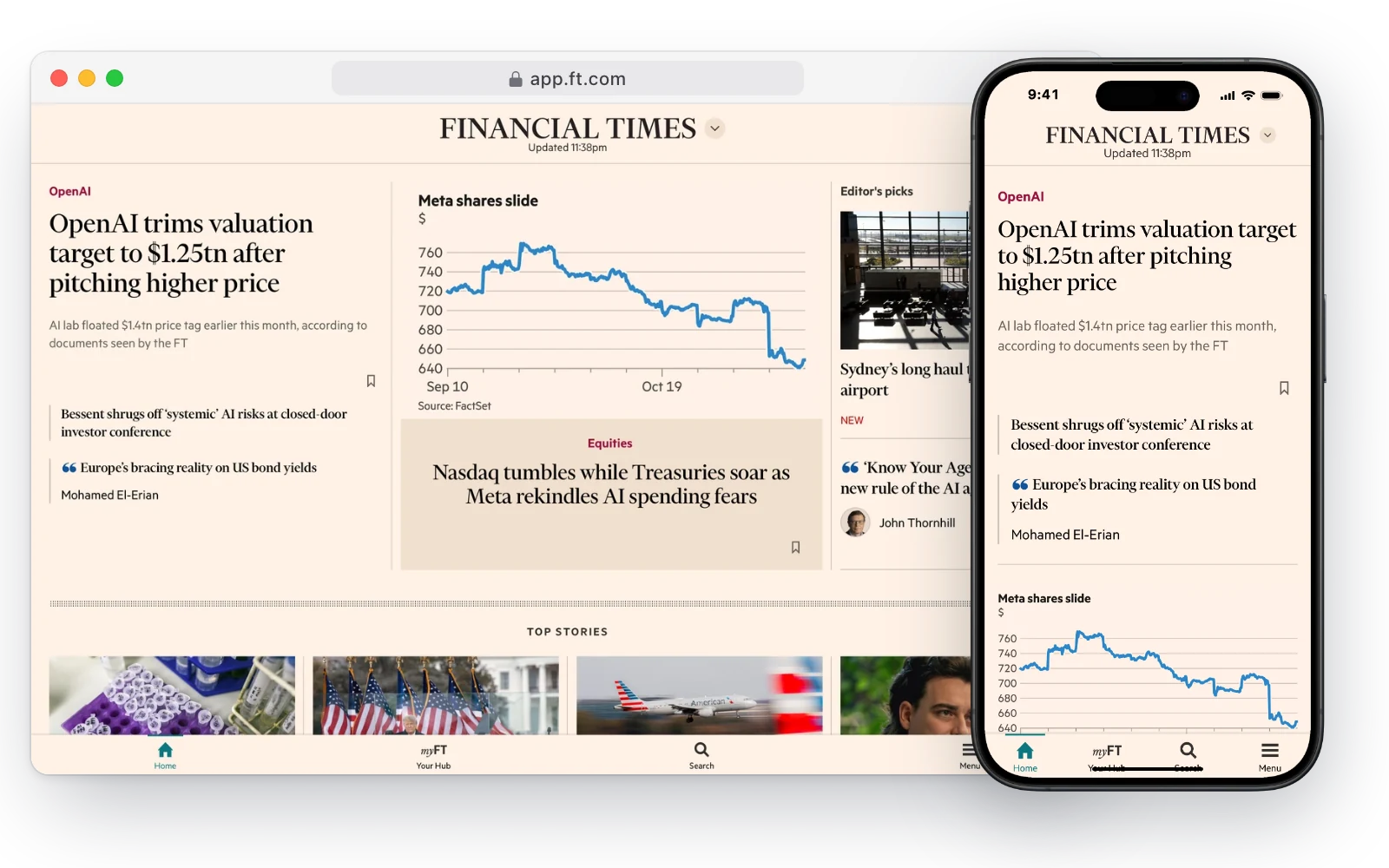
From the start, readers could save it to their home screen and read offline, and new features arrived without an app update, InPublishing reported at the launch. The FT web app still runs at app.ft.com as an installable PWA, alongside the FT’s native apps.
Travel and Transport PWA Examples
Travel and transport PWAs are built for people on the move, often on weak connections, who need to book something quickly.
21. Uber
Uber rebuilt m.uber.com as a PWA in 2017, so people could request a ride on slow 2G networks and low-end phones.
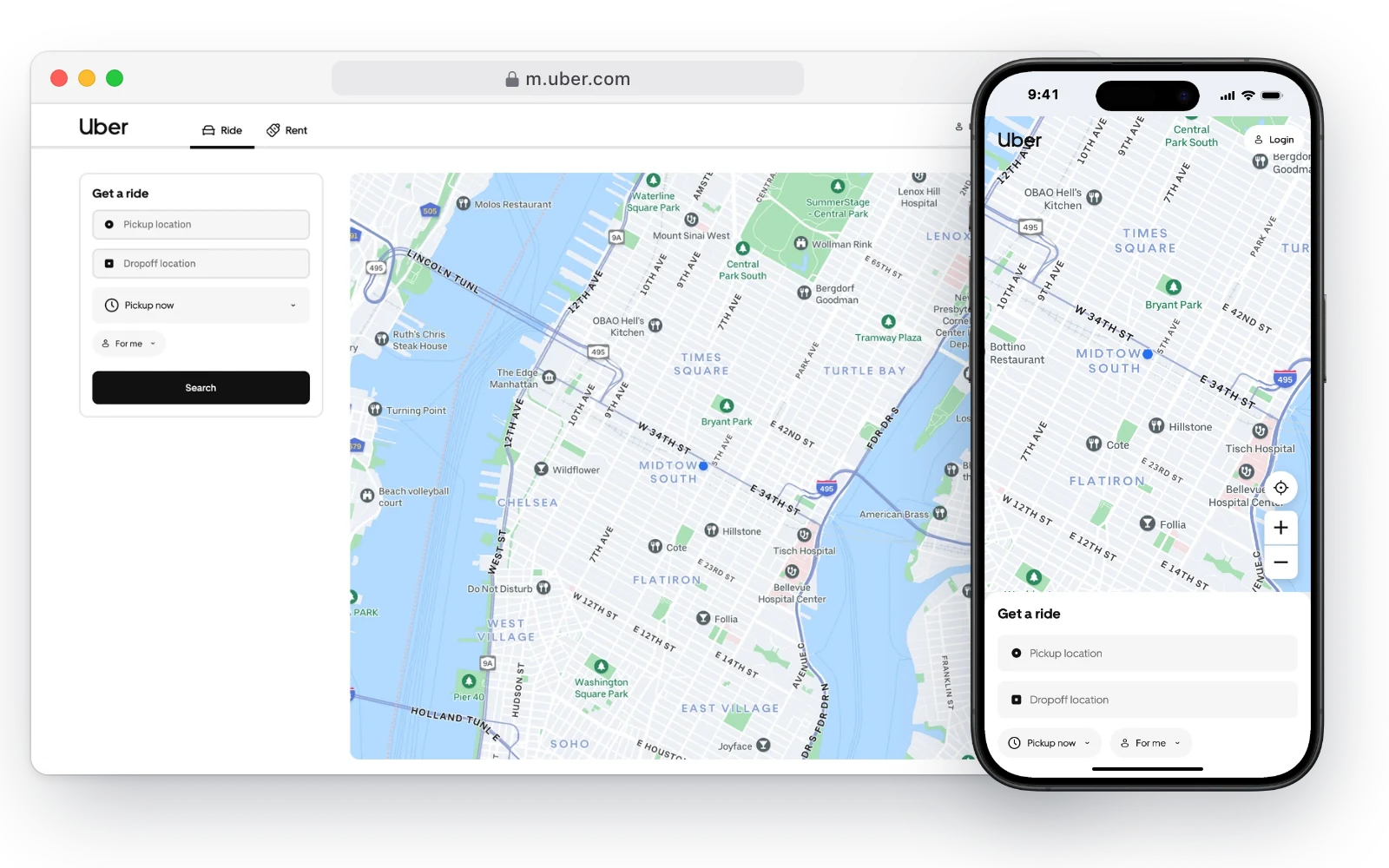
The core app was 50kB once compressed, and became usable in about three seconds on a typical 2G connection, according to Uber Engineering (June 2017). It still installs as a standalone app today.
22. Ola
Ola, the Indian ride-hailing company, built its mobile site as a PWA for riders in smaller cities, where cheap phones and patchy networks made its app a hard sell.
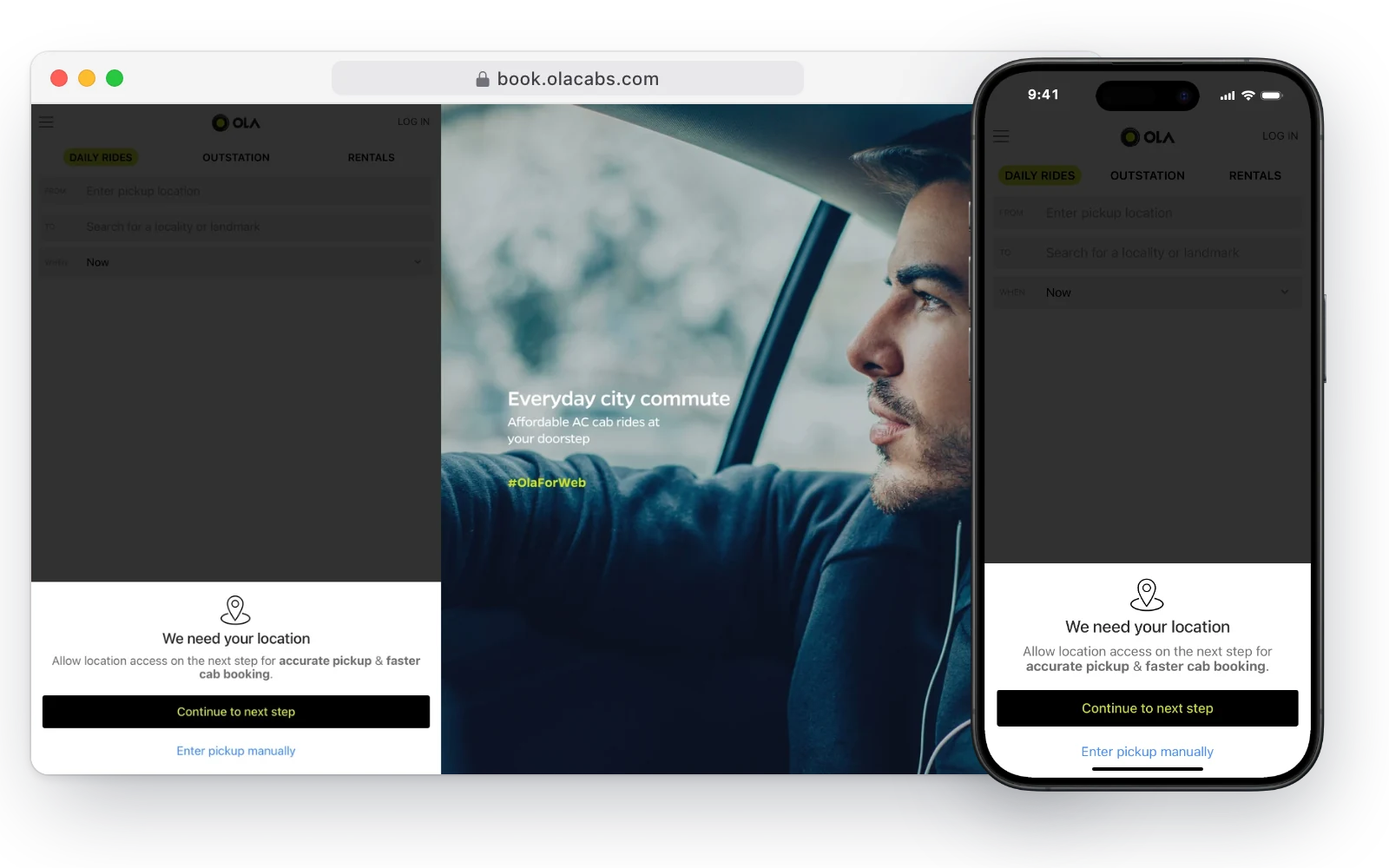
In the smallest cities it targeted, the PWA converted 30% better than Ola’s native app. And 20% of the people booking on it had previously uninstalled the app, according to Google’s 2017 case study.
Ola kept both. “There’s no need to choose between the web and the app,” co-founder Ankit Bhati said at the time.
23. Goibibo
Goibibo, one of India’s big travel booking sites, rebuilt its mobile web flow after finding that nearly 20% of its users started on the web and finished booking in its app.
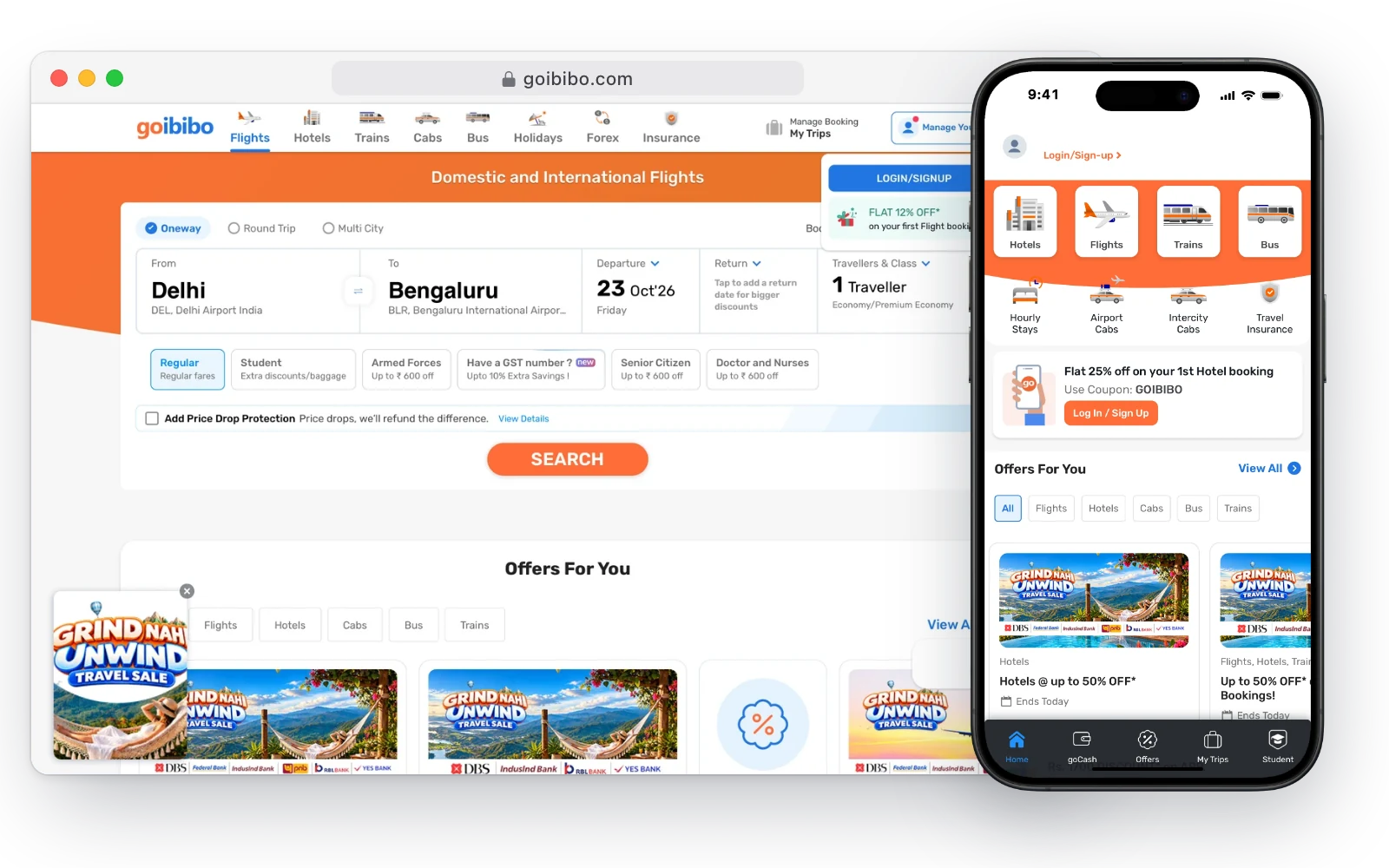
The new PWA used newer browser features, like picking fellow travelers from your contacts, one-time passwords filled in for you and push alerts for fares. Conversions rose 60% over the previous web flow, according to Google’s 2020 case study.
24. Treebo
Treebo, an Indian hotel chain, made a PWA its default mobile website in 2017, when its old mobile site took six seconds to show everything on a page.
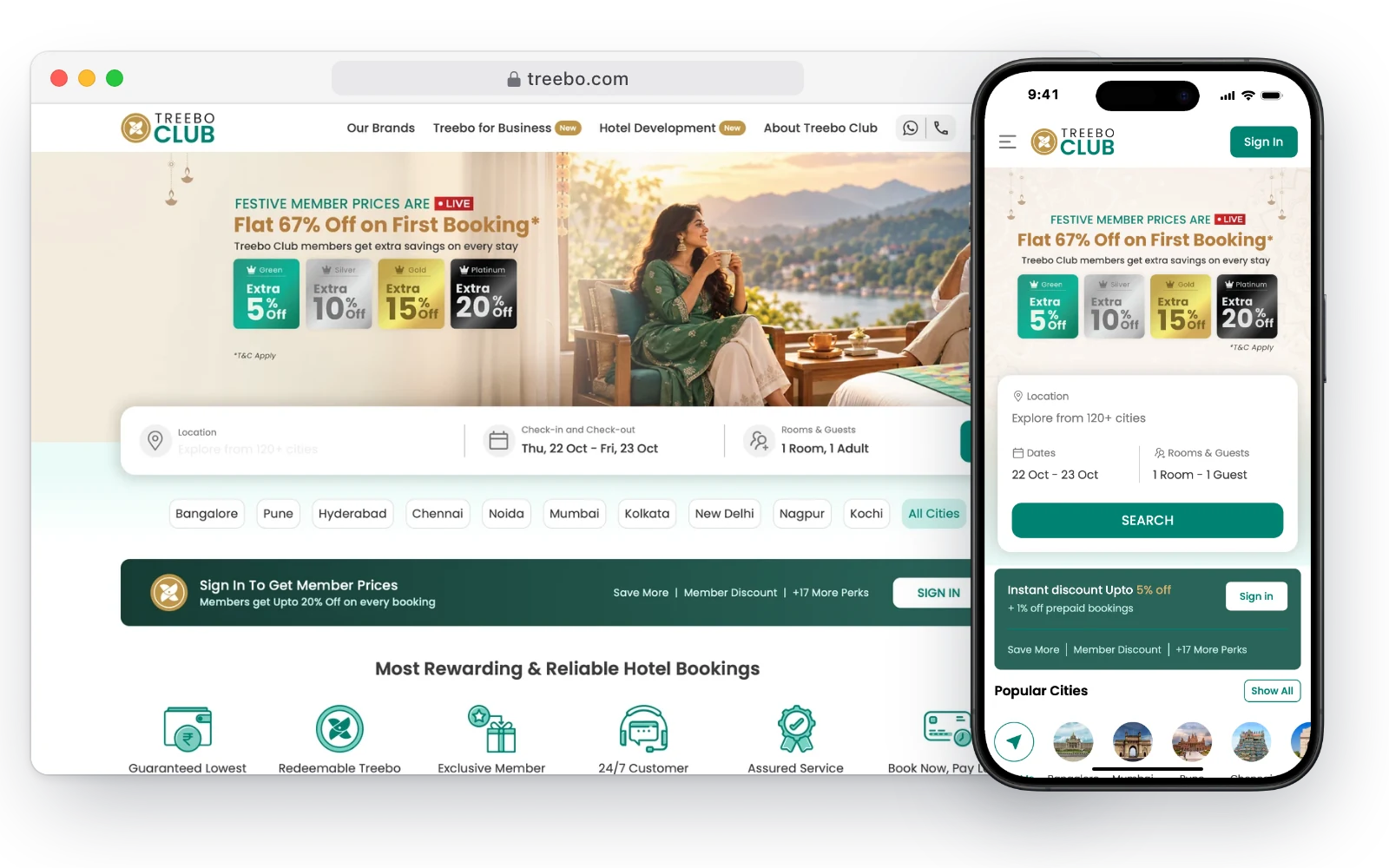
Its conversion rate rose fourfold year over year, and threefold for returning guests, Treebo’s engineering team wrote in February 2018.
25. Almosafer and Tajawal
Almosafer and its sister brand Tajawal, travel booking sites in the Middle East, launched a shared PWA in 2018, designed so travelers could book a flight in about a minute.
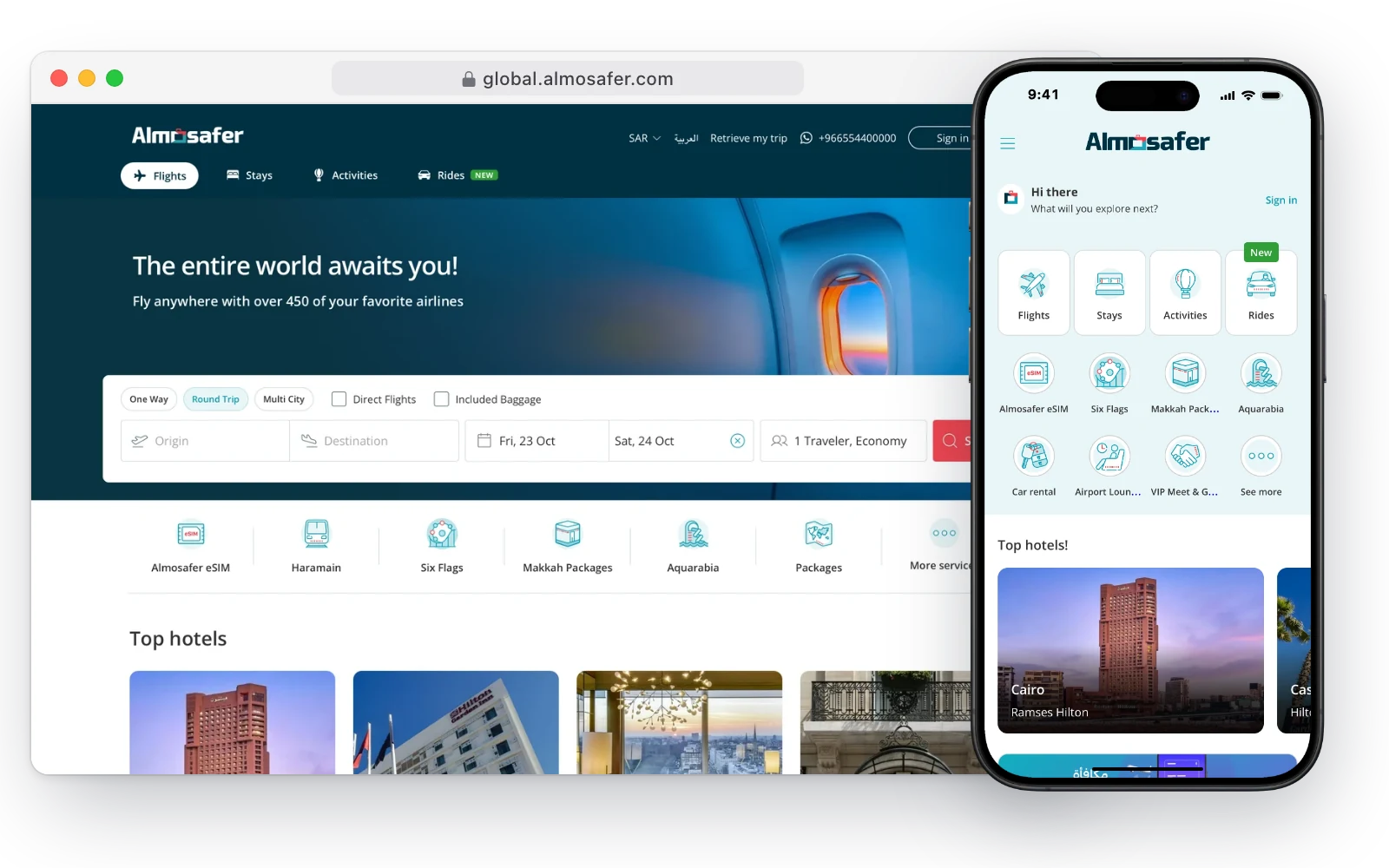
Splitting the code into smaller pieces cut the time until a page was usable from 13.5 seconds to 3.6 seconds, and the conversion rate doubled, according to the team’s own write-up from May 2018.
26. Google Maps
Google Maps on the web is a PWA, so Chrome and Edge can install it on a computer, where it opens in its own window like any other app.
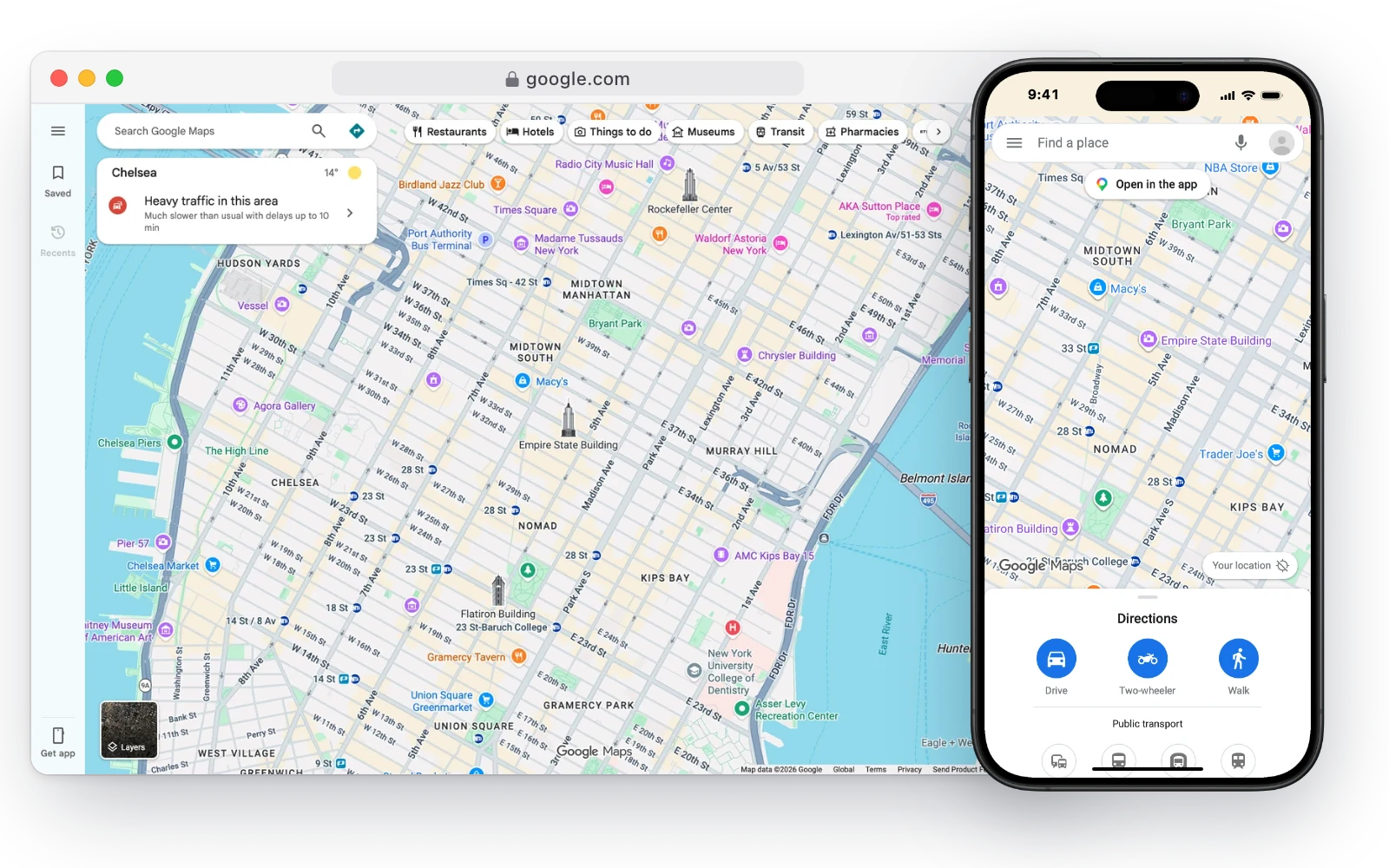
It shows how far a web app can go. The full map, search, directions and live traffic all run in the browser, with nothing to download.
Tools, Learning and Games PWA Examples
Some of the most capable PWAs aren’t stores or media sites at all. They’re tools, courses and games that do real work in a browser, with nothing to install from a store.
27. VS Code
Microsoft launched VS Code for the Web at vscode.dev in October 2021, a lightweight version of its code editor that runs entirely in the browser, the VS Code team announced.
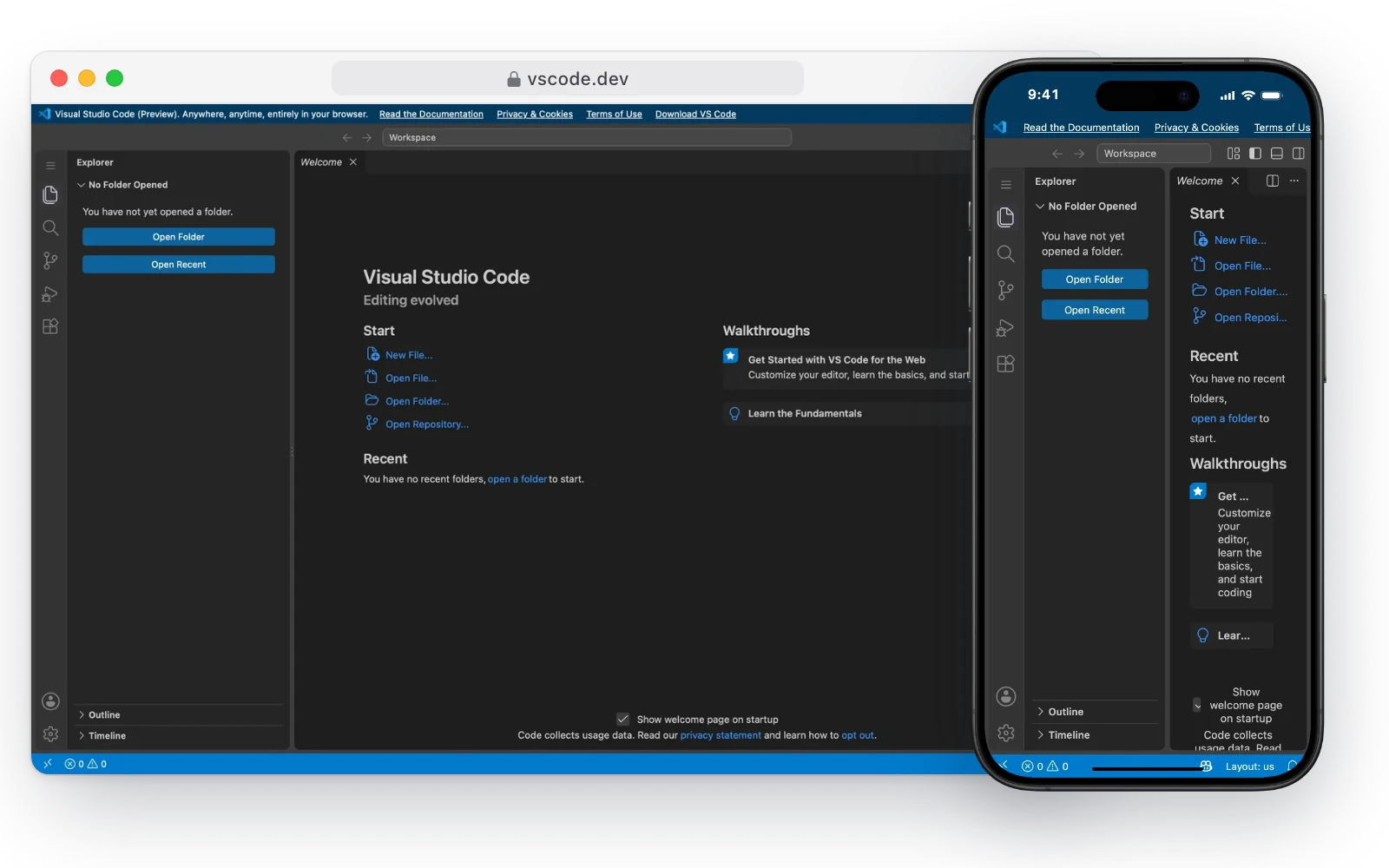
In Chrome and Edge, it can open folders on your own computer, and it installs as a PWA with its own window. It’s a serious desktop tool running as a web app.
28. Zoom
Zoom launched a PWA for Chromebooks in 2021 to replace its older Chrome app, which it shut down in August 2022, 9to5Google reported.
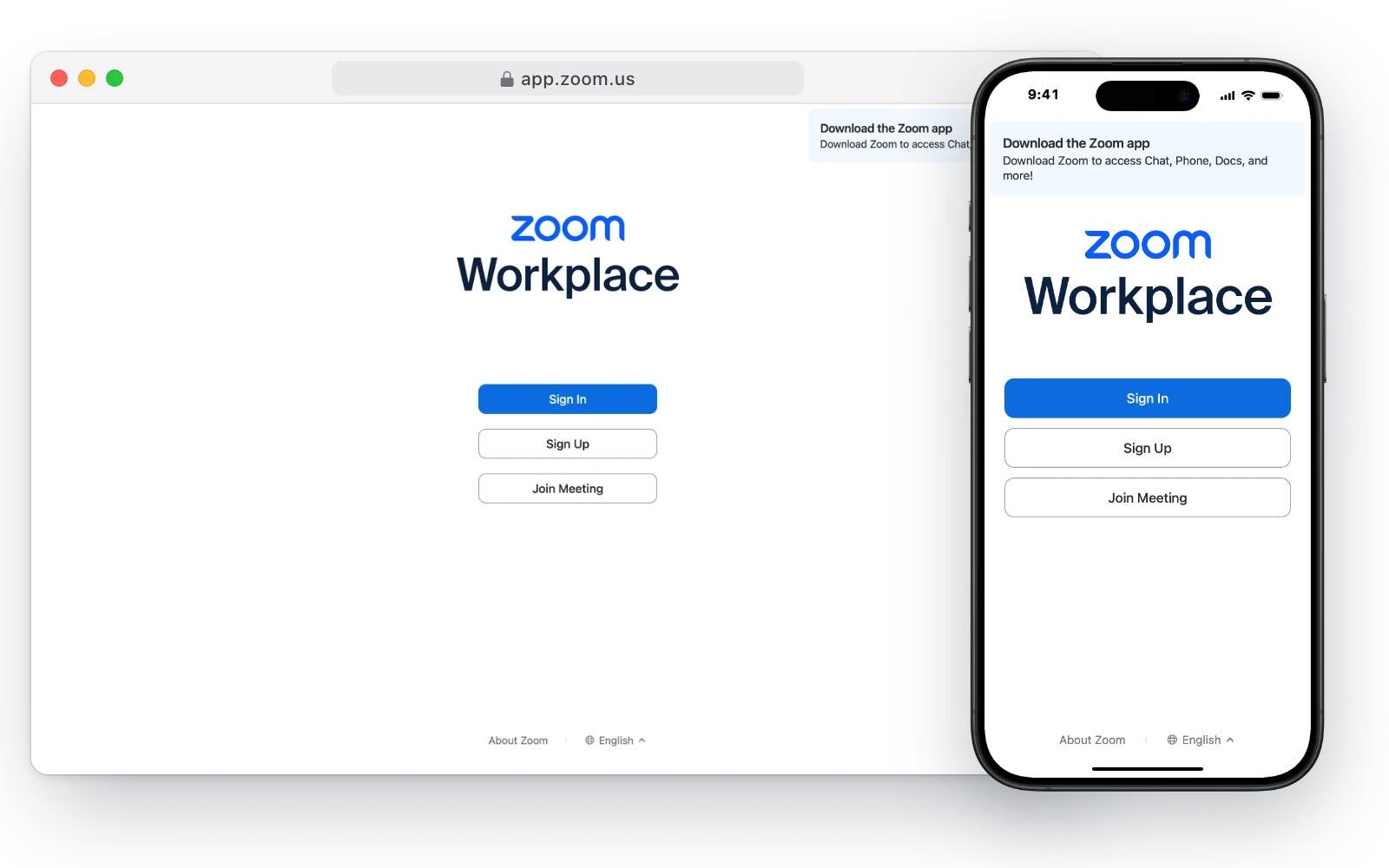
By late 2022, Zoom made the PWA the default way to join meetings on Chromebooks. It installs on other computers from Chrome and Edge too.
29. Excalidraw
Excalidraw, the open-source whiteboard for hand-drawn-style diagrams, is a PWA that works offline, according to its GitHub page.
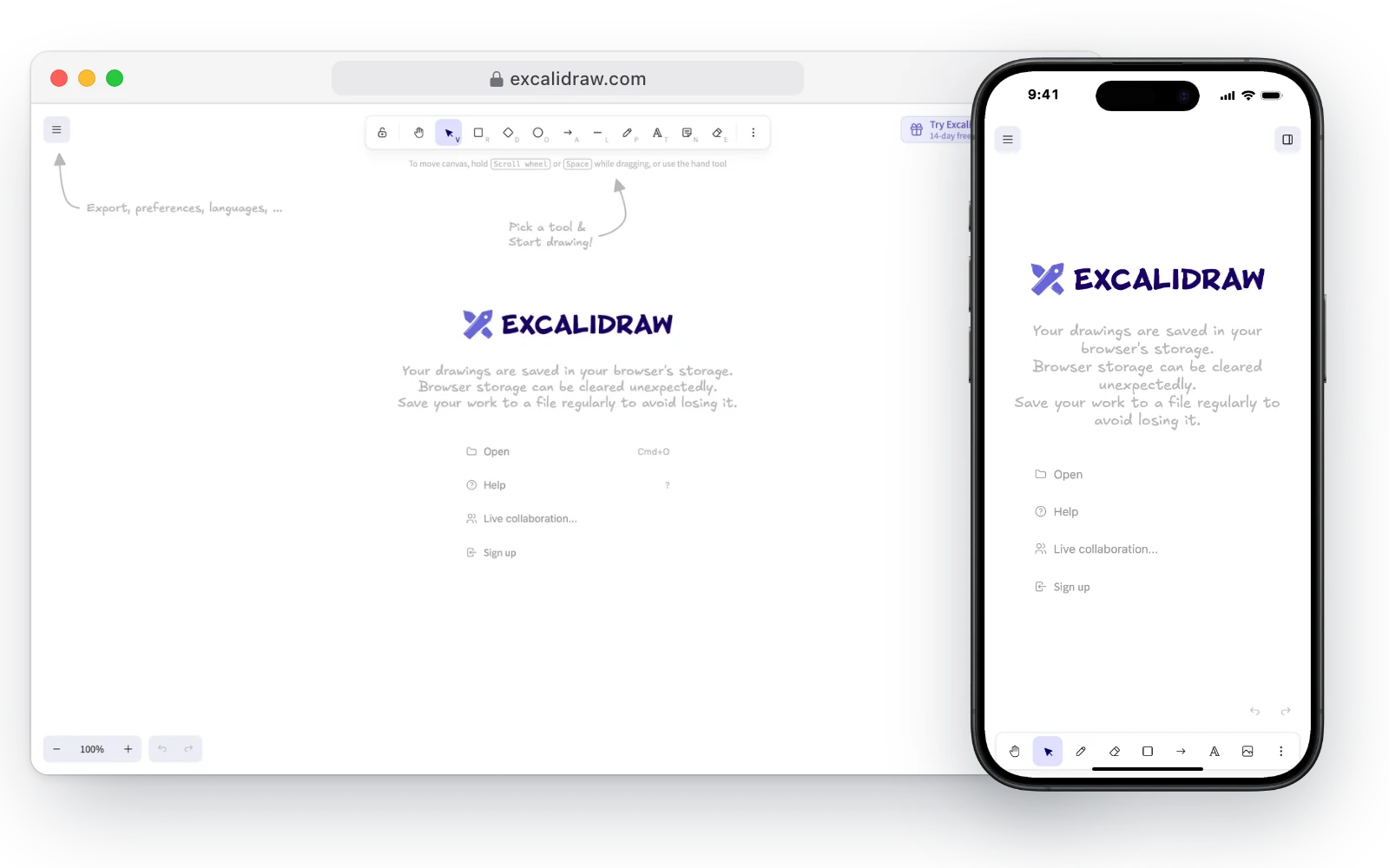
In December 2020, the team retired its Electron desktop app in favor of the PWA, explaining in a post republished on web.dev that the PWA was “the future we want to build upon.”
30. Squoosh
Squoosh is Google Chrome Labs’ image compression app, and it compresses images on your own device rather than uploading them to a server, according to its GitHub page.
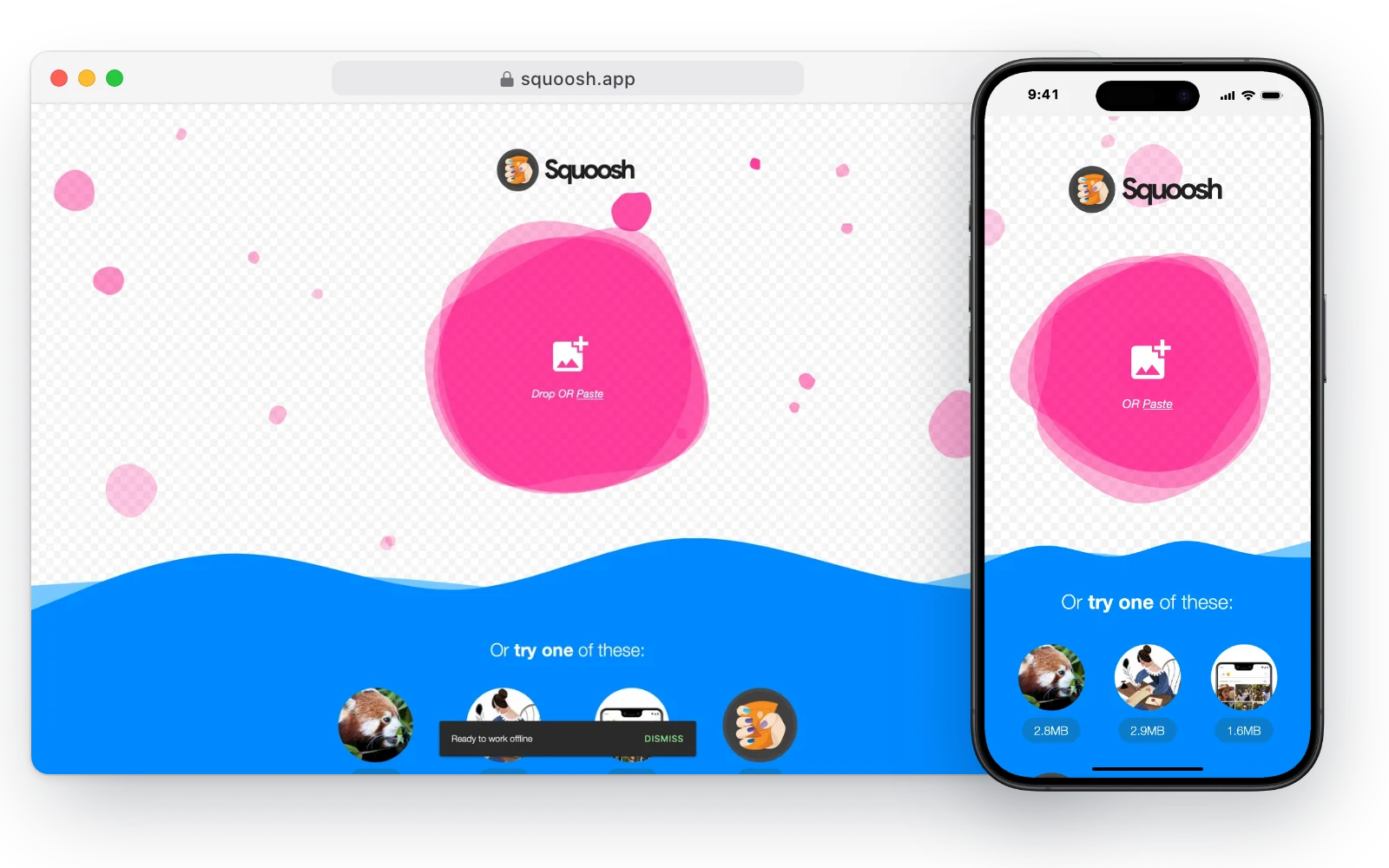
It’s an installable PWA, which makes it a good model for a single-purpose tool people come back to. Install it once, and it opens like any other app.
31. Pixlr
Pixlr is a photo editor with AI tools that runs in the browser, and its website installs as a PWA with its own service worker.
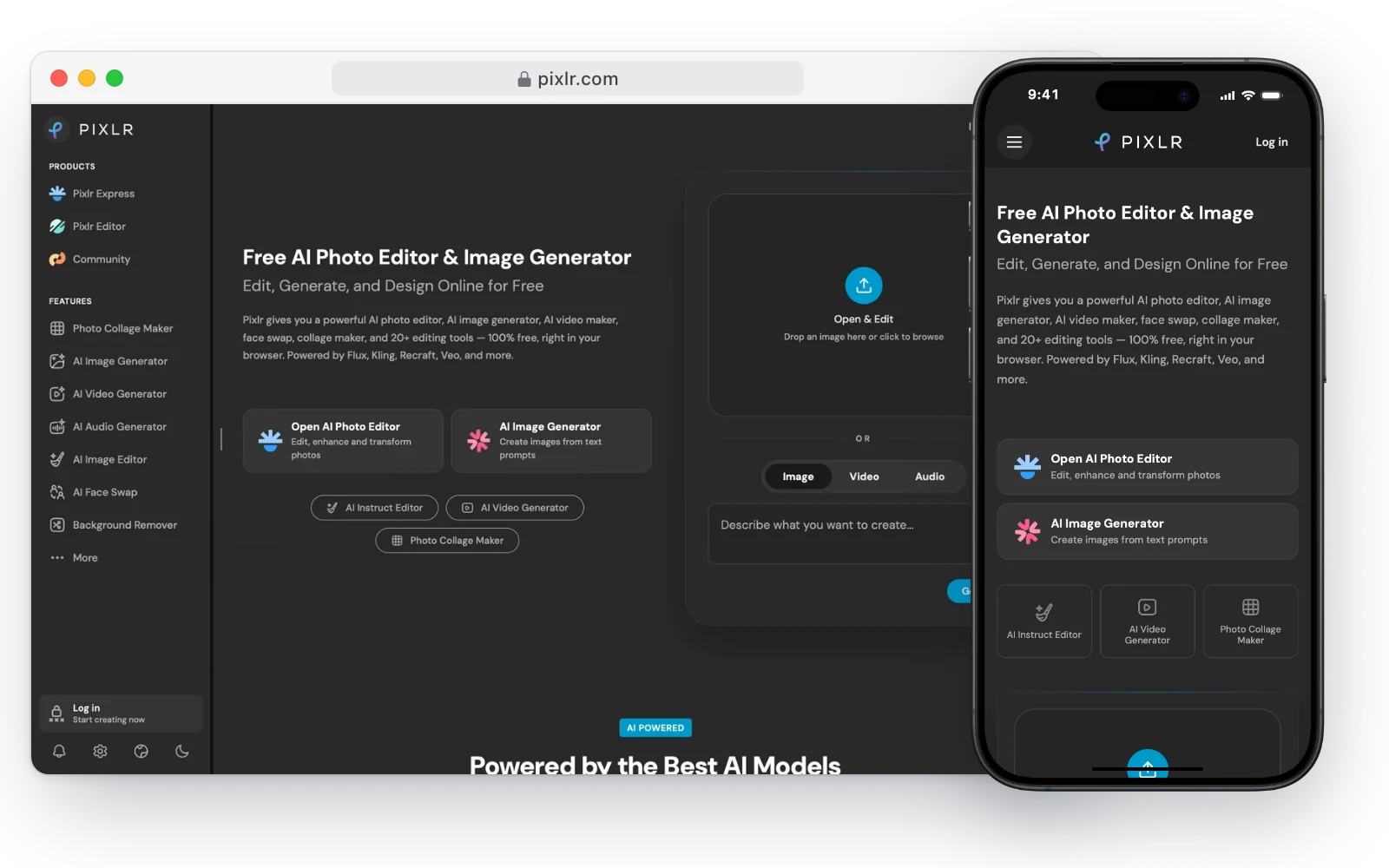
In May 2024, Google featured Pixlr at its I/O conference, as one of 18 apps signed up for a new “Add to Chromebook” button that installs PWAs, Vulcan Post reported.
32. Duolingo
Duolingo’s website is a PWA as well, so learners can install it on a computer and do their lessons in its own window.
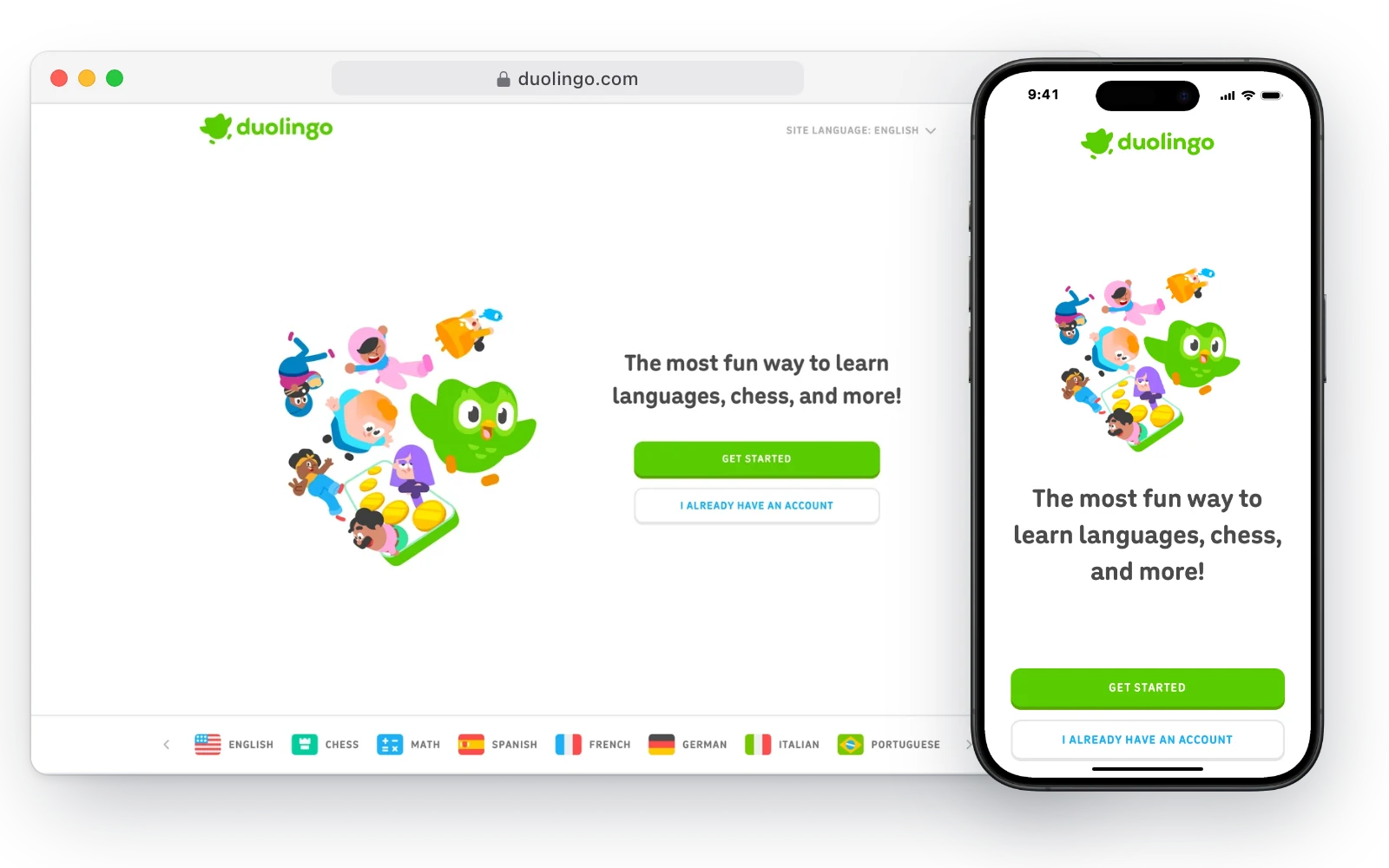
Duolingo hasn’t published results for its PWA, and it runs native apps for iPhone and Android too.
33. Xbox Cloud Gaming
Microsoft brought Xbox Cloud Gaming to iPhones and iPads through the browser in 2021, at xbox.com/play, after Apple’s App Store rules kept it from launching there as an app.
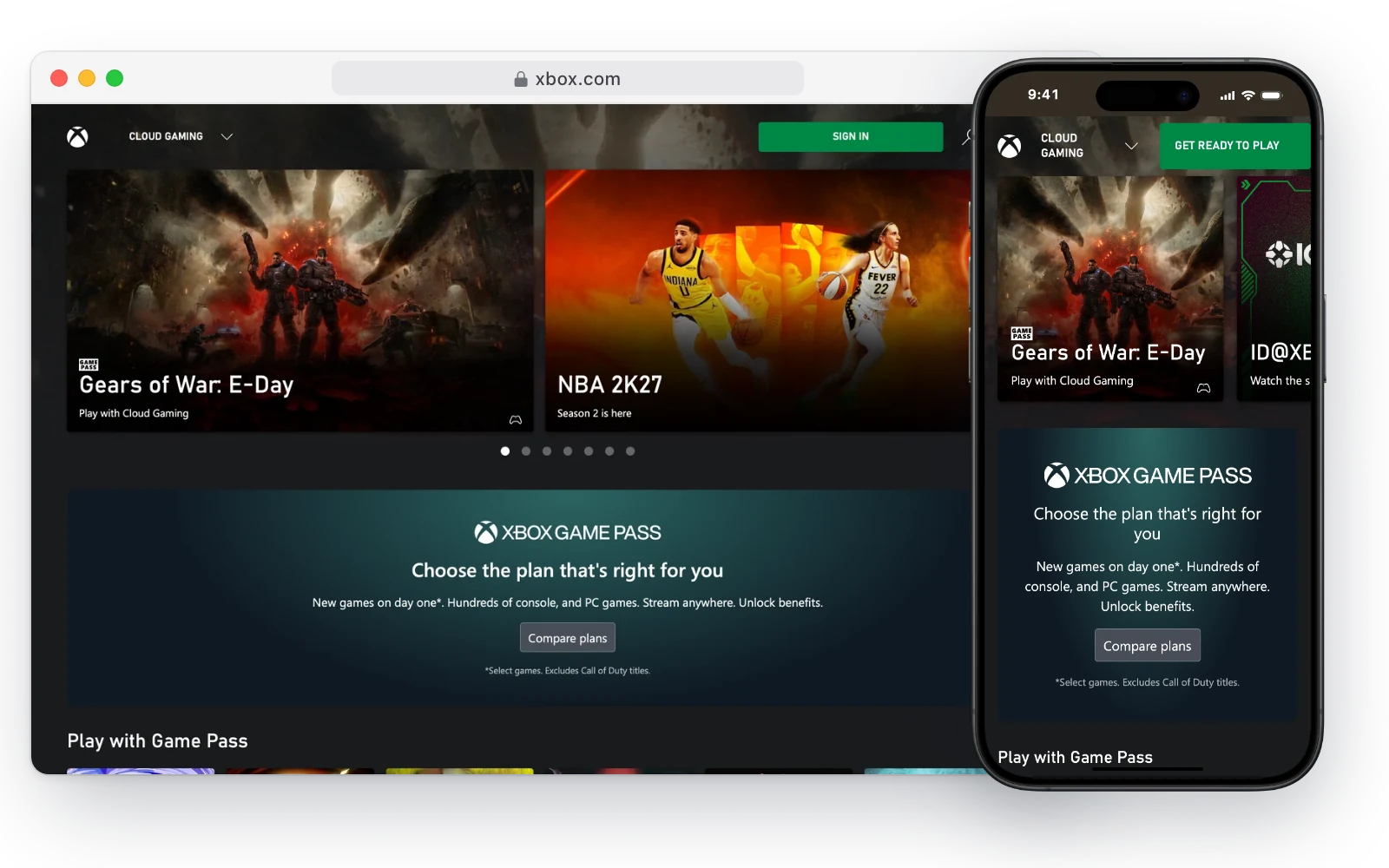
It opened to every Game Pass Ultimate member with a Windows PC, iPhone or iPad in 22 countries in June 2021, Xbox Wire announced. Nvidia’s GeForce NOW and Amazon’s Luna took the same route to the iPhone.
34. Lichess
Lichess, the free and open-source chess site, is a PWA with its own service worker, so players can install it on a phone or computer.
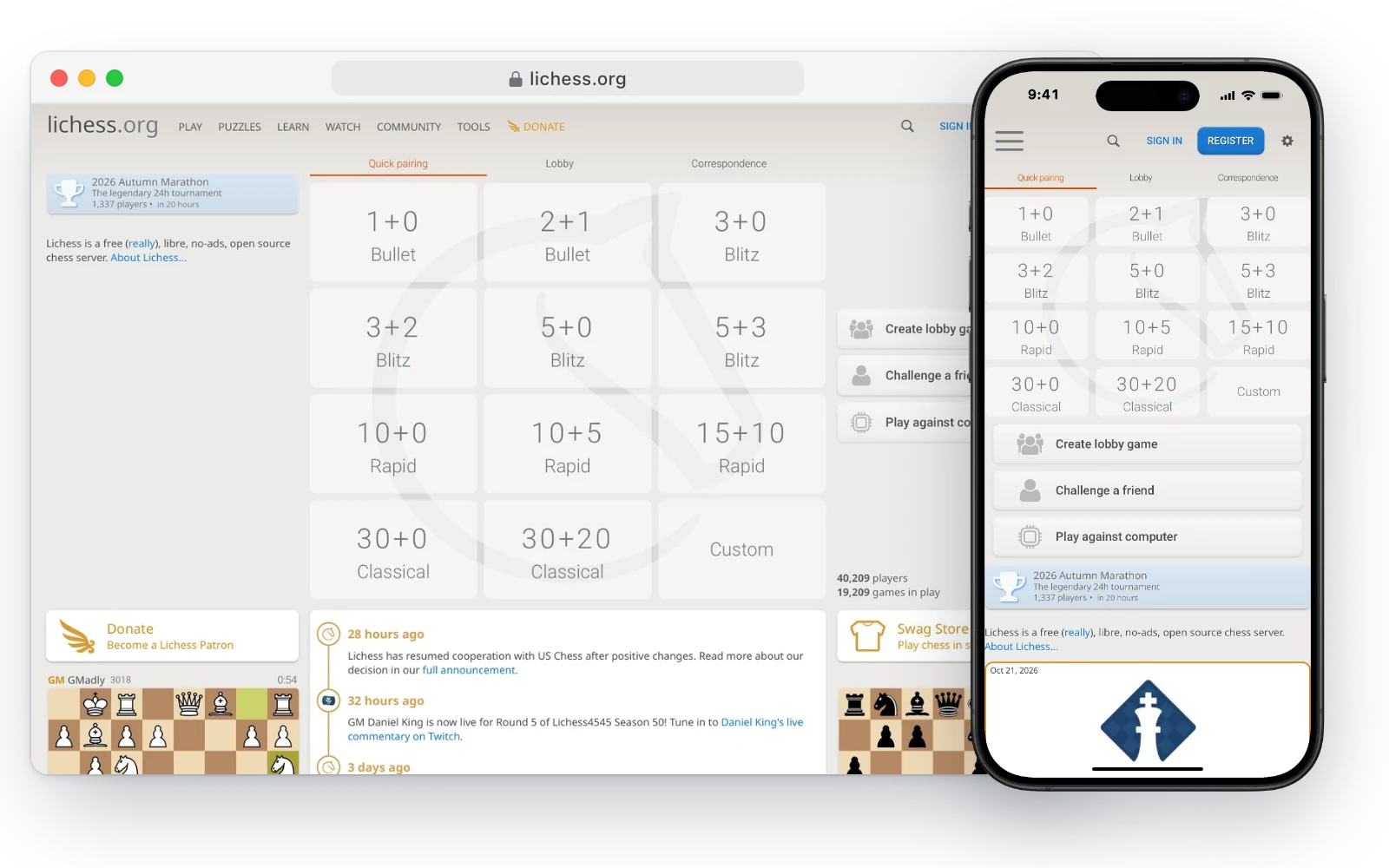
It shows that real-time play, with live games, puzzles and tournaments, works well in a PWA. Lichess also has a native app in the App Store.
What Do the Best PWA Examples Have in Common?
The most successful PWAs on this list share five traits:
- They were built for tough conditions. Flipkart, Konga, Tokopedia, Ola, Uber and Treebo all designed for slow networks, low-end phones or expensive data.
- They’re light. Twitter Lite needed about 600KB against a 23.5MB Android install, and Ola’s PWA was at least 300 times smaller than its Android app.
- Installation and push did the re-engaging. Flipkart’s home screen visitors converted more, Rakuten 24’s installers came back more often, and 800,000 people a week opened Pinterest from their home screen.
- They work as desktop apps. YouTube, Spotify, Instagram, Zoom and VS Code all install from the browser on a computer, without a separate download.
- They didn’t replace the app. Nearly every company here still has a native app in the App Store, from Flipkart and SHEIN to Uber, Ola and Spotify.
That last point is easy to miss. Nearly 20% of Goibibo’s users started on the web and booked in the app. OLX’s traffic was split evenly between its app and its site, and Ola chose to run both.
Are These PWA Results Still Relevant?
Some brands have published case studies showing the impact of turning their site into a PWA. Most date from 2016 to 2018, when Google was promoting PWAs heavily and publishing case studies with the brands that built them. A few are newer: Goibibo and Rakuten 24 published theirs in 2020, and Mainline Menswear in 2021.
Each one compares a new PWA with the slow mobile site it replaced. Much of the lift came from a faster rebuild rather than the install icon or the service worker, which is why Lancôme saw gains in 2017, when most of its PWA users were on iPhones that didn’t support service workers yet.
Today, a basic mobile website is much better, much faster. You’re unlikely to see such a strong lift from launching a PWA, just because your mobile website is probably very good already.
So it’s not to say that launching a PWA isn’t worth it. Just that the line between a “regular” mobile website and a progressive website isn’t as distinct as it once was.
When Is a PWA the Right Choice?
A PWA is the right choice when your main goal is reaching people on the web, and an app is the better fit when your goal is bringing loyal customers back. Here’s how the examples above split.
| If your goal is… | Best suited to | Examples from this list |
|---|---|---|
| Reaching first-time visitors on slow networks or cheap phones | A PWA | Flipkart, Konga, Tokopedia, Uber, Ola |
| Bringing occasional web visitors back | A PWA with an install prompt and web push | Rakuten 24, OLX, Lancôme, Goibibo |
| Offering a desktop app without a download | A PWA | Spotify, YouTube, VS Code, Excalidraw, Squoosh |
| Reaching loyal customers with push on iPhone | A native app | The native apps nearly every brand here runs alongside its PWA |
| Being found in the App Store | A native app | Flipkart, SHEIN, Uber and Spotify all list native apps there |
| Using Bluetooth, NFC or other device features | A native app | None on this list |
Lancôme summed up the split in 2017, when it decided an app only made sense for customers who visited regularly. Most of these brands landed in the same place: a PWA for everyone who finds them on the web, and an app for the people who keep coming back.
The gap is widest on iPhone. A PWA on iOS can only send push notifications after someone adds it to their Home Screen, and it can’t be published in the App Store. Our comparison of PWAs and native apps covers the rest of the trade-offs.
Launching a Native App Next to Your PWA
The brands in this guide show what a PWA does well. They also show where it stops: nearly all of them kept a native app as well.
The biggest downside of a native app has always been the cost of building and running a second product, with its own code, its own team and its own release schedule, next to your website.
MobiLoud transforms your website into a custom native app, powered by the same underlying code as your website. We build the app from your site’s code, so it launches with your products, menus, content and features like search, loyalty and subscriptions from day one.
Then we design a fully custom, native interface for the app, and add what only an app can do:
- Push notifications that reach your customers on iPhone and Android
- A listing in the App Store and Google Play
- App-only pages your team builds in your own platform
- Native features, SDKs and device integrations where you need them
Your app can look and feel very different from your website, but because it feeds from the same codebase, it always stays consistent with your site. Our team builds, launches and looks after it, so there’s nothing for your team to maintain.
If you already have a PWA, the same code can power your iOS and Android apps. We’ve helped brands like John Varvatos, Jack & Jones and Tadashi Shoji launch their apps this way, as well as hundreds of other brands, seeing major lifts from their repeat customers.
"With 85% of our audience on mobile, launching an app has drastically improved conversion rates and reduced the need for costly remarketing."
Final Thoughts
The best progressive web apps prove that speed pays. Flipkart, Pinterest, Twitter and Lancôme turned slow mobile sites into fast, installable ones, and the gains showed up in conversions, engagement and reach.
They also show where a PWA fits. It’s the best version of your website, ideal for first-time visitors, slow connections and tools people use in a browser.
What the biggest of these brands didn’t do was give up their native apps. A PWA reaches the people who find you on the web, while a native app keeps your most loyal customers close, with push notifications and a place on their home screen. For most businesses with regular mobile customers, the answer is both.