Shipt’s app has a 4.9 rating from more than 136,000 ratings on the App Store. It’s built with Ionic, which means it runs on HTML, CSS and JavaScript, the same technology as a website.
That surprises people, because “hybrid” still has a reputation as the cheap option. The assumption is that an app built with web technology is a second-rate compromise next to a fully native app (Swift, Kotlin) or a cross-platform native one (React Native, Flutter).
The reputation is out of date. Hybrid is a perfectly good way to build a real, fully functional app for less money and less upkeep, and some of the world’s biggest companies use it, including brands that wouldn’t blink at the cost of going fully native.
Below are 11 hybrid apps, from Gmail to a streetwear brand’s drop app, with what each one uses web technology for and what that means if you’re deciding how to build your own.
What Makes an App “Hybrid”?
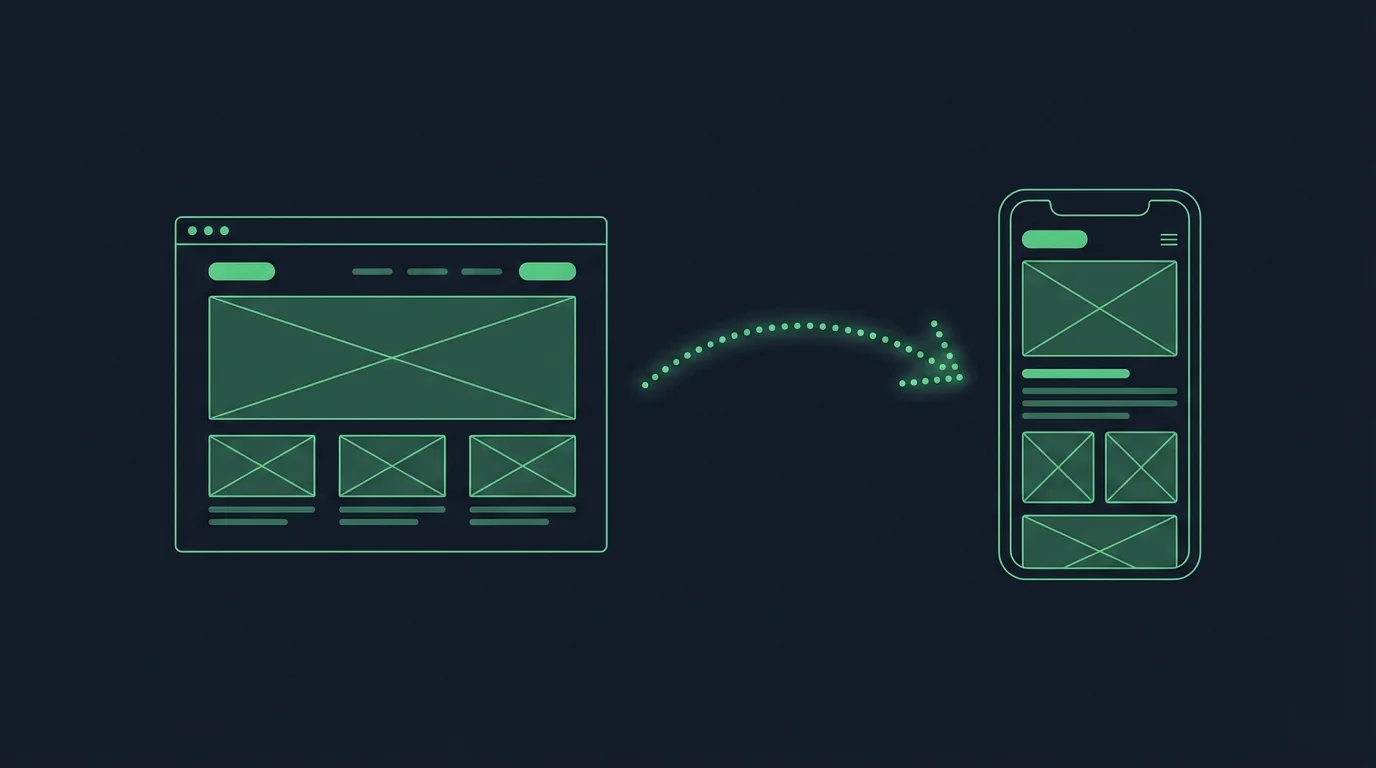
A hybrid app is a native app, downloaded from the App Store and Google Play, that uses web technologies (HTML, CSS and JavaScript) to draw some or all of its screens.
Rather than writing separate native code for iOS and Android, the team builds once with web technology and runs it inside a native shell. There are three common ways to do it.
| Approach | How it works | Best suited to | Examples below |
|---|---|---|---|
| Web views in a native app | A native app loads web content for some of its screens, like a browser without the address bar. | Large teams with a native app who want web teams to ship content screens without an app release | Gmail, Amazon, Uber |
| Ionic and Capacitor | A framework packages a web app as iOS and Android apps, with plugins for device features like the camera and push notifications. | Teams building a new app with web developers | Breeze Airways, Burger King, Shipt, H&R Block, Instant Pot, JustWatch |
| Website-powered apps | Web code combined with a native layer to create a custom mobile app, powered by your site. | Online stores, publishers and other web-first businesses with a website that already works | John Varvatos, Cold Culture |
All three result in real apps that people download from the stores and keep on their home screen, next to fully native ones. Most people using them can’t tell the difference.
11 Hybrid App Examples from Major Brands
Hybrid apps aren’t just a cheap fix for brands that can’t afford native. Some of the world’s biggest companies use them, and that’s not an exaggeration.
That shows two things. The drop in quality is small, and the benefits of building with web technology go beyond saving money.
| App | What it does | Hybrid approach | App Store rating (US, Oct 2026) |
|---|---|---|---|
| Gmail | Web views for HTML email | 4.7 from 2.4M ratings | |
| Amazon Shopping | Shopping | Web views for product pages, reviews and promotions | 4.8 from 8.4M ratings |
| Breeze Airways | Airline booking and check-in | Ionic | 4.8 from 145K ratings |
| Uber | Rides and food delivery | Web view for Uber Eats ordering | 4.9 from 17M ratings |
| Burger King | Ordering and rewards | Ionic | 4.7 from 474K ratings |
| Shipt | Same-day delivery | Ionic | 4.9 from 136K ratings |
| H&R Block MyBlock | Tax filing | Ionic and Capacitor | 4.6 from 57K ratings |
| Instant Pot (Instant Connect) | Recipes and appliance companion | Ionic | 4.6 from 11K ratings |
| JustWatch | Streaming search | Ionic | 4.7 from 30K ratings |
| John Varvatos | Luxury fashion | Website-powered app (MobiLoud) | 4.9 from 1.2K ratings |
| Cold Culture | Streetwear drops | Website-powered app (MobiLoud) | 4.8 |
1. Gmail
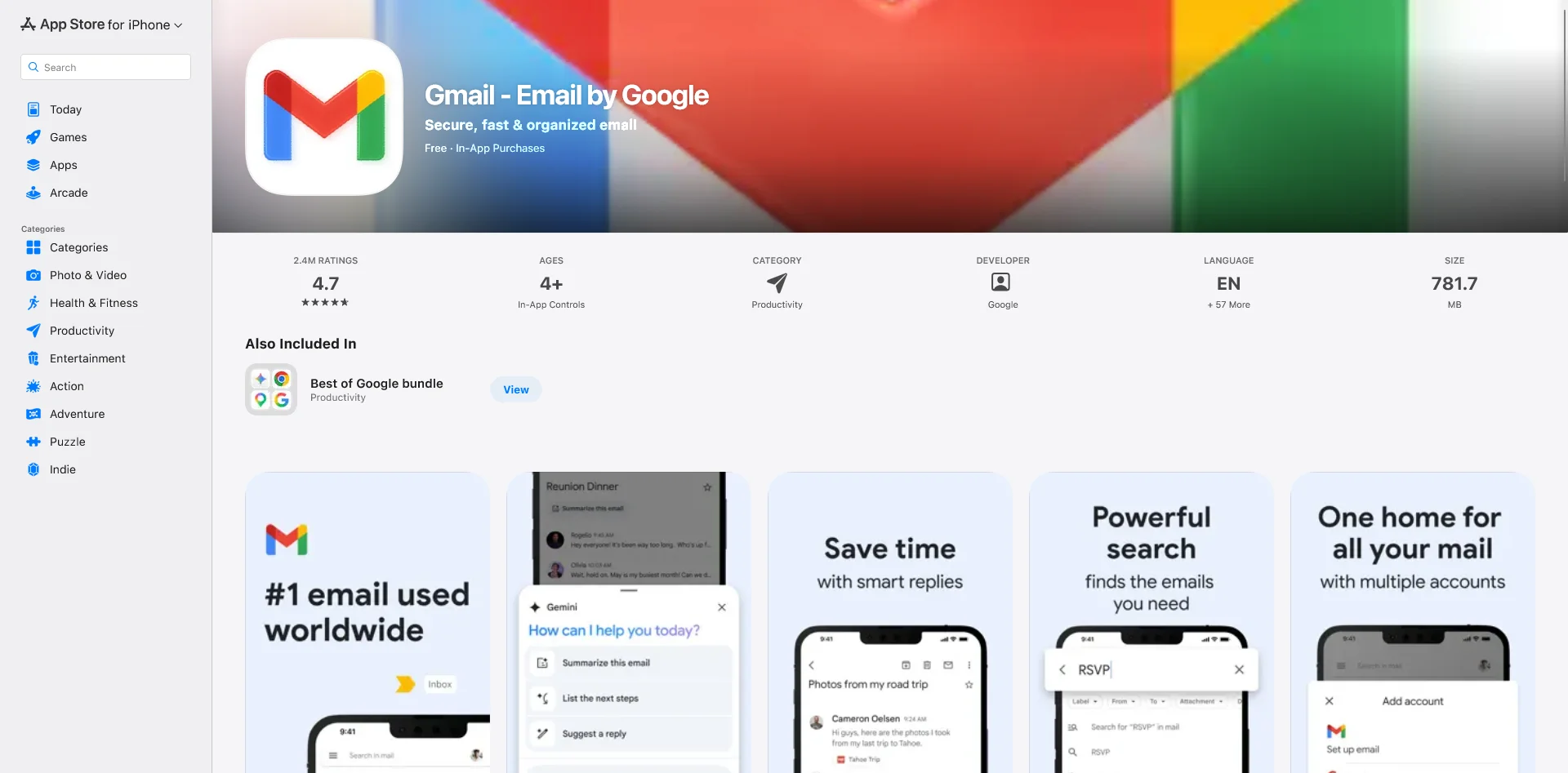
Gmail is one of the most-used apps in the world, and it uses web views to display HTML emails consistently on iOS and Android. Rather than building its own rendering engine for every email format, Google shows them with web technology, the same way the web version of Gmail does.
The app has a 4.7 rating from about 2.4 million ratings on the US App Store, which makes it one of the best-reviewed productivity apps on any platform.
2. Amazon Shopping
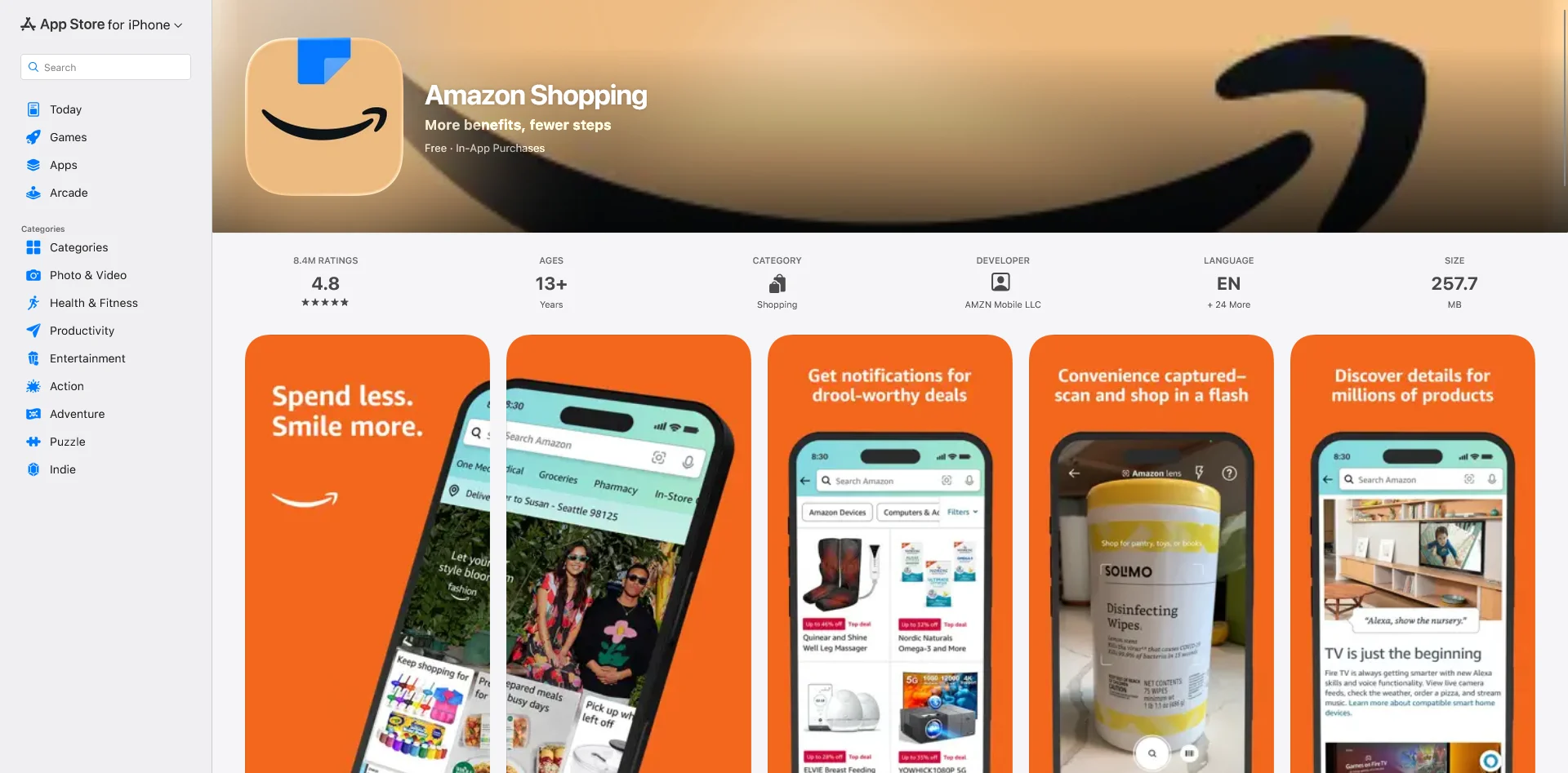
The biggest shopping app in the world is a good case for the hybrid approach.
The Amazon Shopping app combines native components with web views. Navigation, search and the camera are native, while content-heavy sections like product pages, customer reviews and promotions load as web content.
Amazon can update those pages without an app release, and its web and app teams share the same content.
The app serves hundreds of millions of customers and has a 4.8 rating from more than 8 million ratings on the US App Store.
3. Breeze Airways
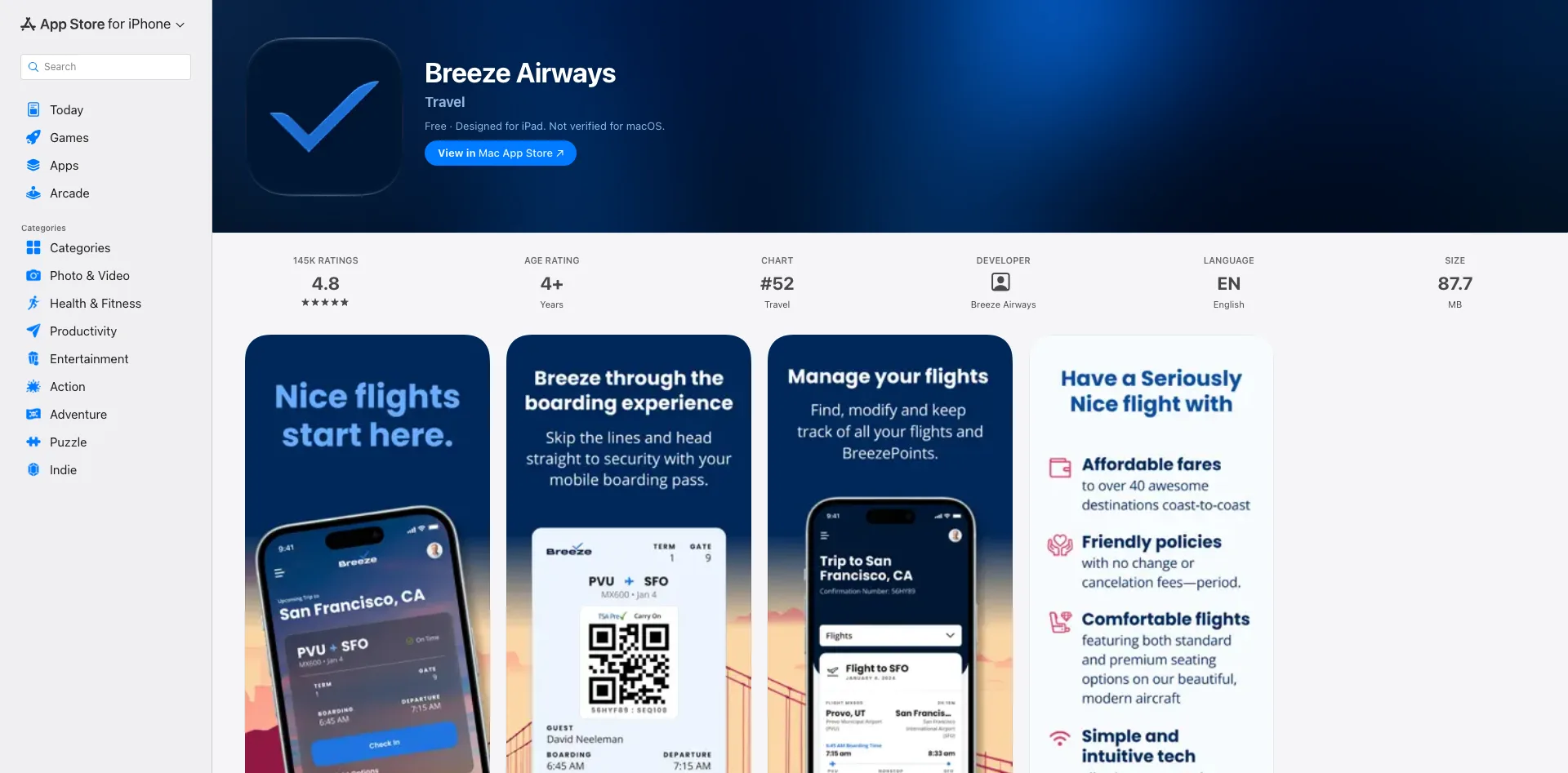
Breeze Airways built its app with Ionic, and guests use it to book and change flights, check in and board. One engineering team ships the app to iOS, Android and the web from a single codebase.
That paid off on a stormy day, when a delayed flight disappeared from the app and took guests’ boarding passes with it. The team pushed a fix through Ionic’s Live Updates and the flight was back within minutes, with no App Store release to wait for.
"We consider ourselves a technology company that happens to fly airplanes."
The app has a 4.8 rating from about 145,000 ratings on the US App Store.
4. Uber
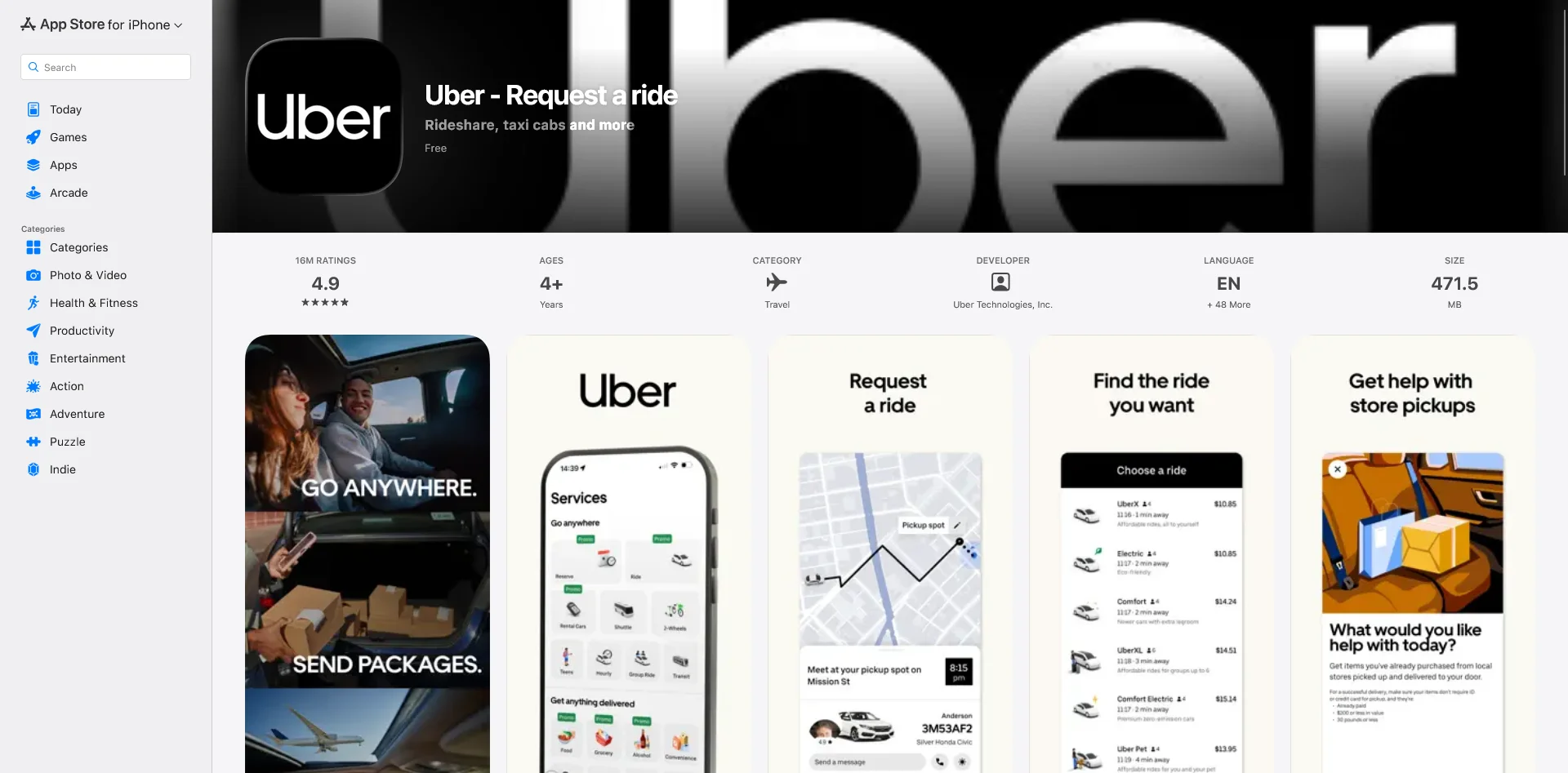
Uber’s app mixes native screens with web views. Its engineering team has written about the web view version of UberEats.com that runs inside the main Uber app, so riders can order food without installing Uber Eats.
The web team owns that ordering experience and ships it to both platforms at once, without waiting on a separate mobile release.
The app has a 4.9 rating from about 17 million ratings on the US App Store.
5. Burger King
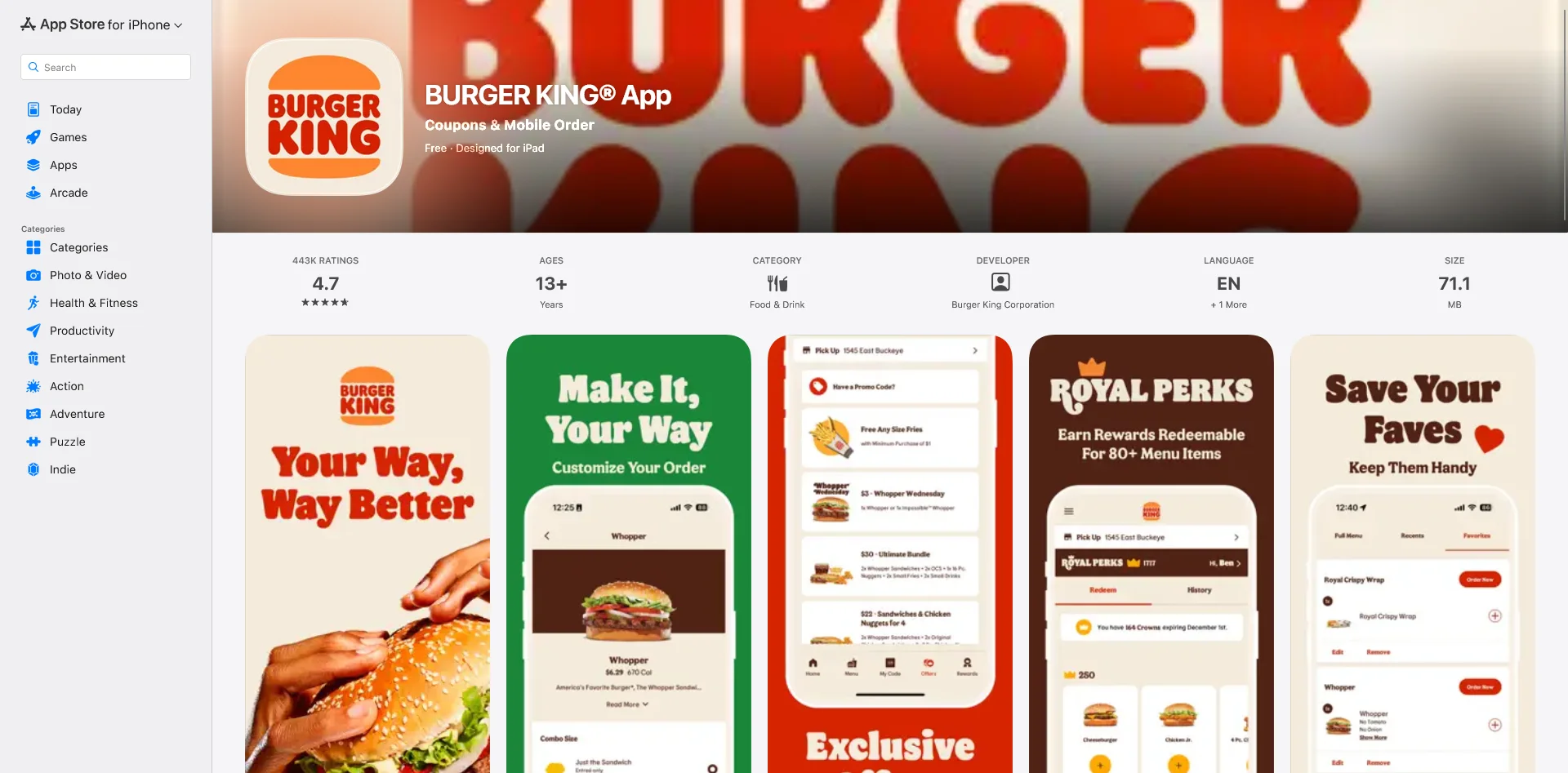
Burger King’s app is built with Ionic, a hybrid framework that packages web applications as native iOS and Android apps. The app handles ordering, loyalty rewards and promotions across multiple markets, all from a single codebase.
Ionic lets Burger King’s development team build once and release on both platforms without doubling headcount. For a fast food brand running apps in dozens of markets, that’s a real operational advantage.
The app has a 4.7 rating from more than 470,000 ratings on the US App Store.
6. Shipt
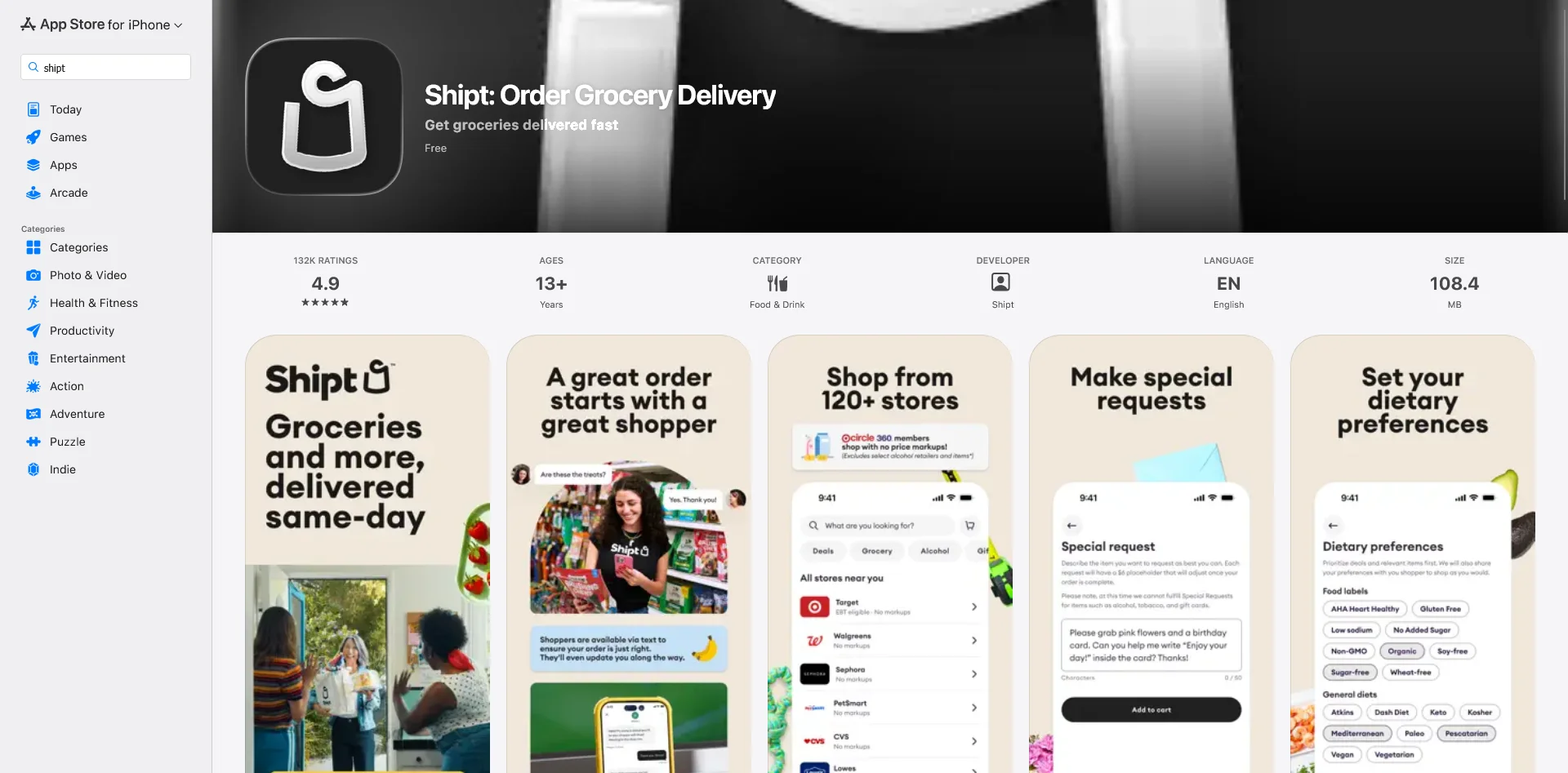
Shipt, Target’s same-day delivery service, uses Ionic and Appflow to power its iOS and Android apps. The app handles grocery and retail delivery from Target, Walgreens, CVS and other retailers, all from a shared codebase.
It has a 4.9 rating from more than 136,000 ratings on the US App Store. For an app that coordinates real-time deliveries across thousands of shoppers, that’s a strong sign hybrid technology holds up under operational pressure.
7. H&R Block
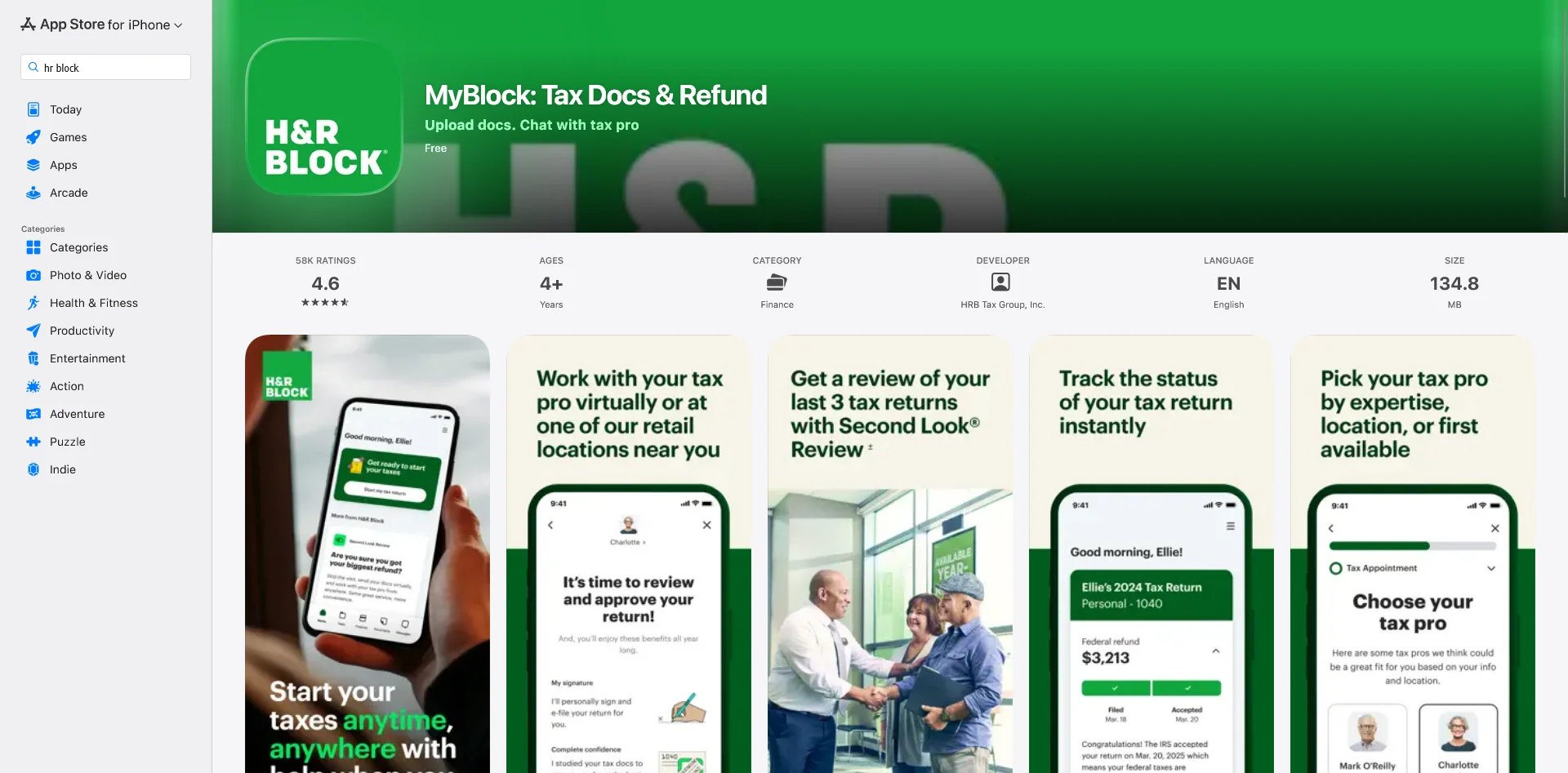
H&R Block’s MyBlock app is built with Ionic, Capacitor and Stencil. People use it to file taxes, access documents, check their e-file status and manage their finances, all core services for the largest retail tax preparation company in the US.
"We didn't want to maintain separate pipelines for native mobile apps and web apps. We wanted that cross-platform experience, so we looked at Ionic."
The app has a 4.6 rating from nearly 58,000 ratings on the US App Store. Tax filing is a high-stakes category where reliability isn’t optional.
8. Instant Pot
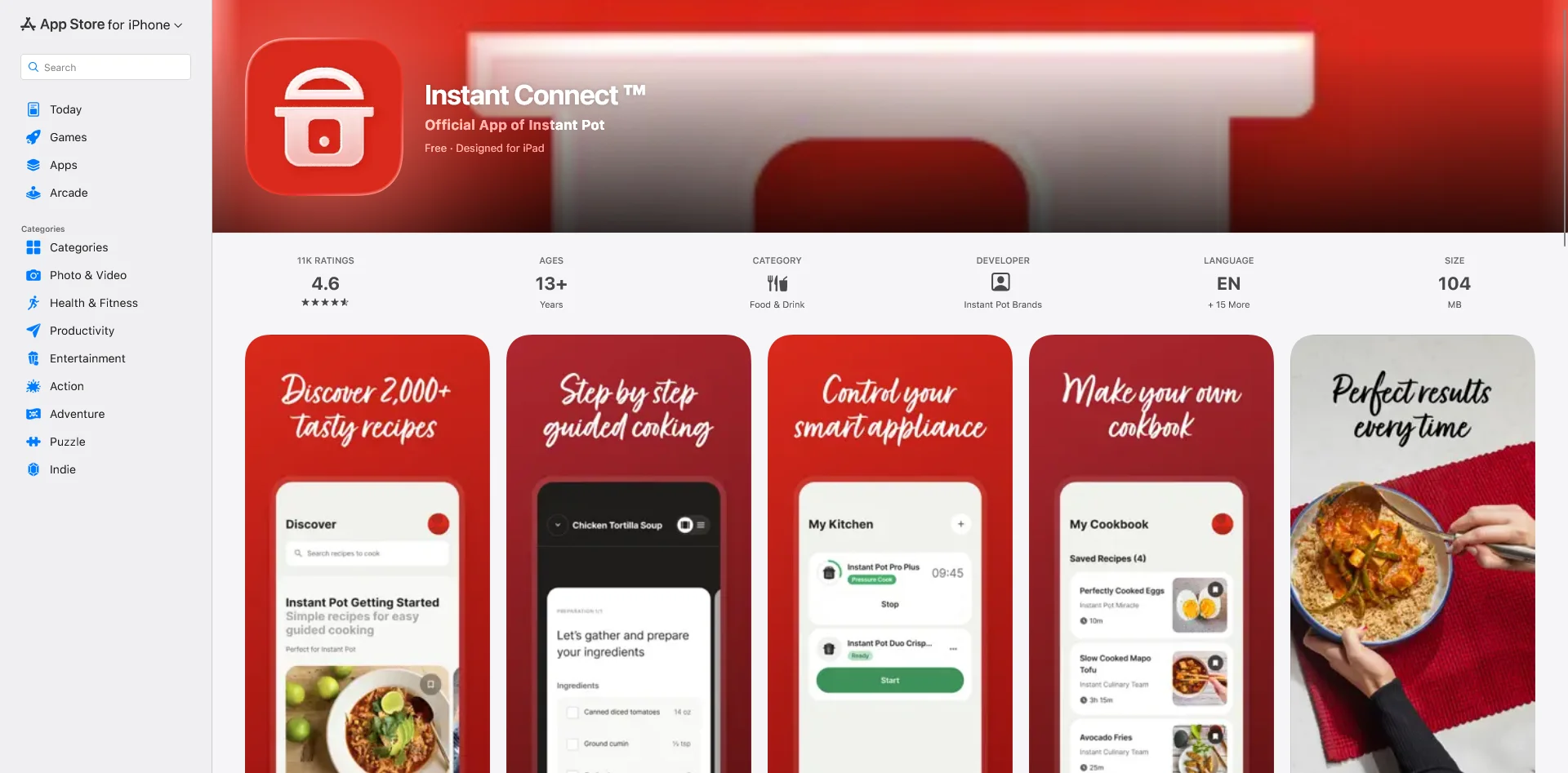
The Instant Pot app, built with Ionic, serves a community of more than a million active users. It delivers recipes, cooking guides and tips for Instant Pot appliances, and has helped the brand turn a physical product into an ongoing relationship with its customers.
Consumer hardware companies don’t often get credit for strong digital products. Instant Pot’s app is a well-reviewed, well-used companion app built on hybrid technology, with a 4.6 rating on the US App Store.
9. JustWatch
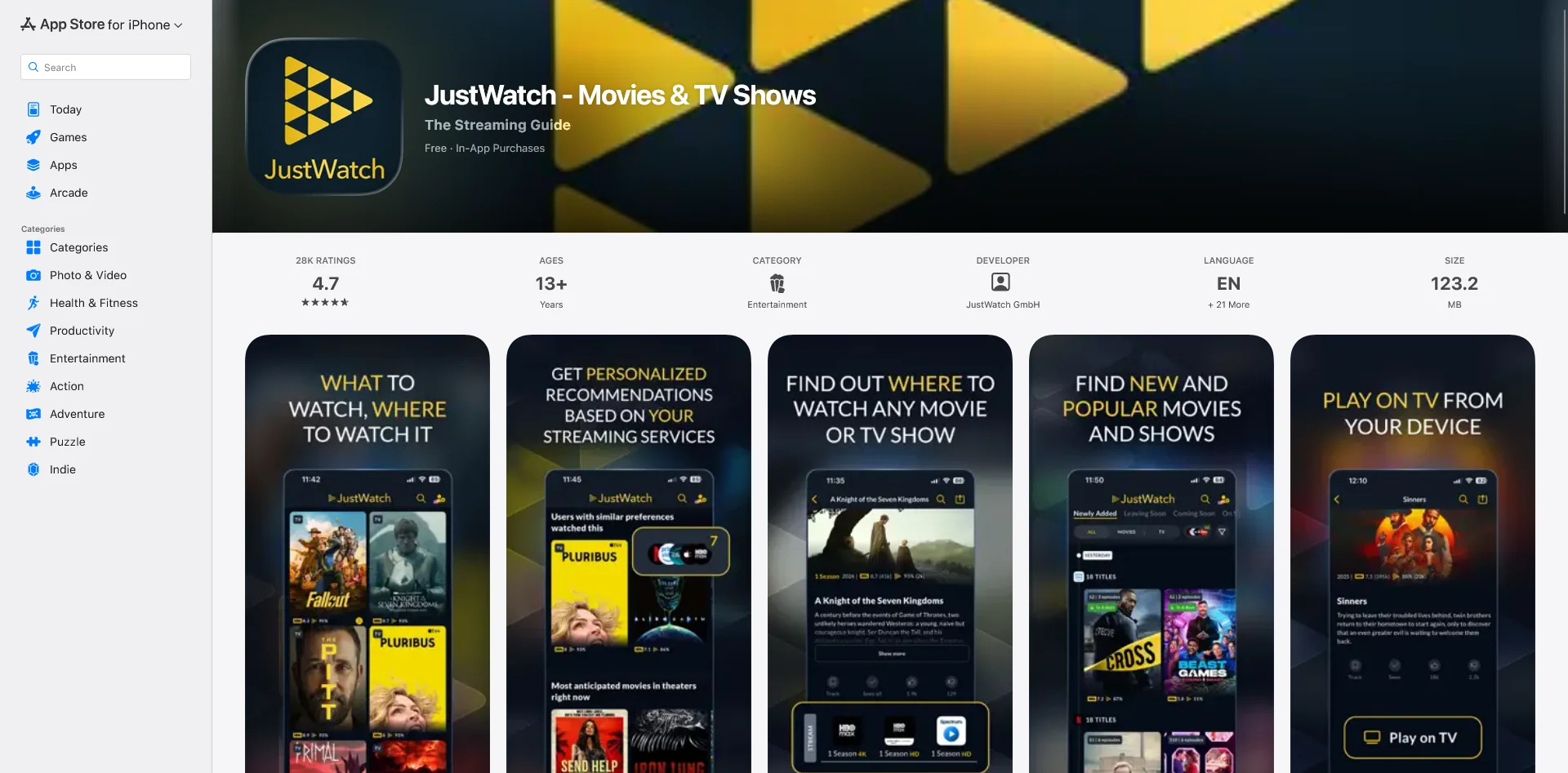
JustWatch is one of the most widely used streaming search engines, helping people find what to watch across Netflix, Disney+, HBO Max and dozens of other services. Its team built the iOS and Android apps with Ionic.
The app handles large volumes of content data and real-time availability across many countries, which is a serious technical workload. Its 4.7 rating from about 30,000 ratings on the US App Store suggests the hybrid approach hasn’t cost it anything with users.
10. John Varvatos
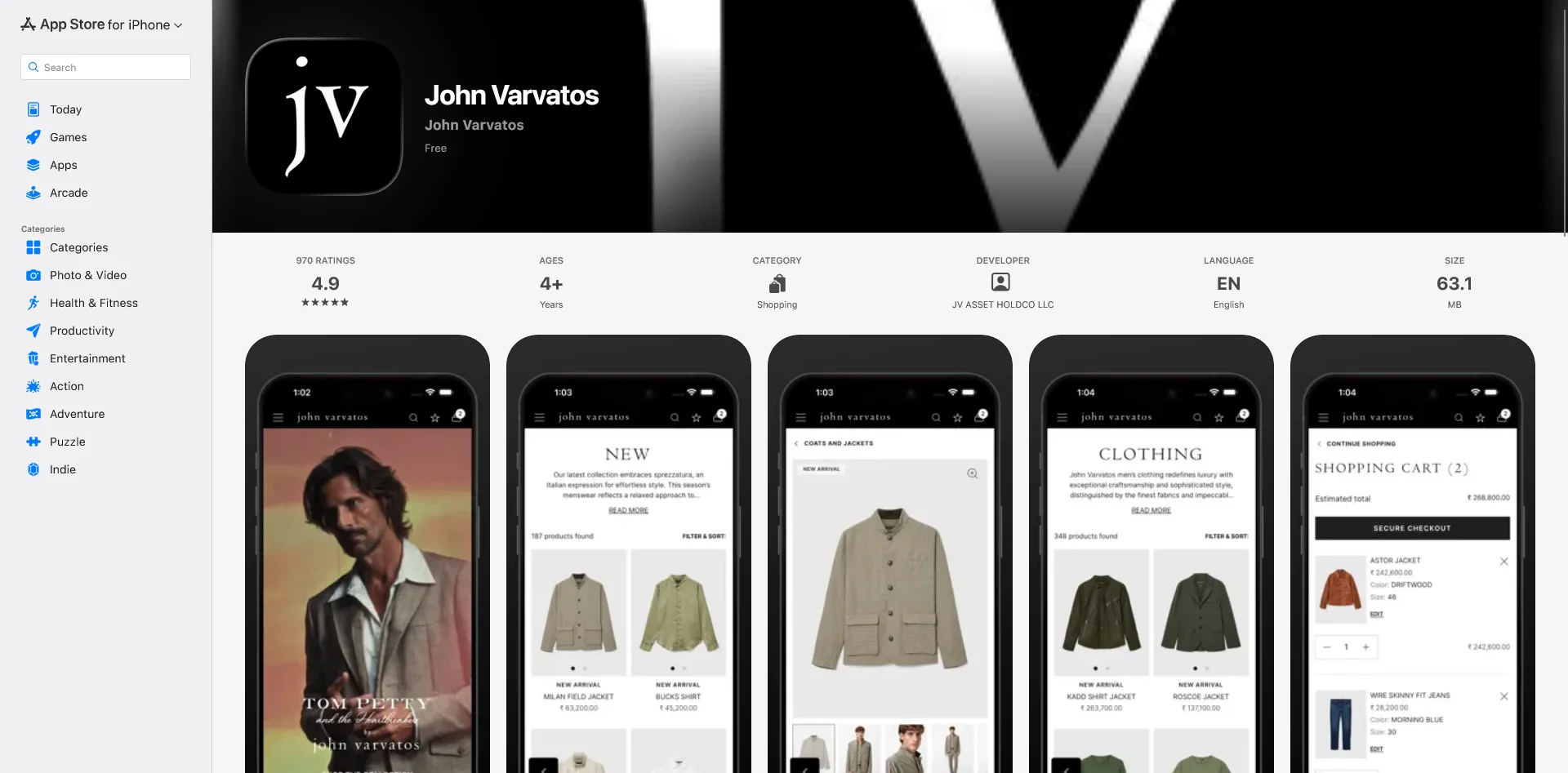
Luxury menswear brand John Varvatos launched a website-powered app with MobiLoud. Its existing Salesforce Commerce Cloud site powers the app, and MobiLoud handles the build, configuration and App Store distribution.
That let the brand launch a clean, professional app that reflects well on it, without hiring developers or taking up much of its lean IT team’s time.
The results: revenue per app user is 10x higher than on mobile web, the purchase rate is 4x higher and sessions per user are 12x higher. The app has a 4.9 rating on the US App Store and has generated seven figures in revenue since launch.
"The app's been invaluable to us. The cost we're paying versus what we're getting back is tenfold."
11. Cold Culture
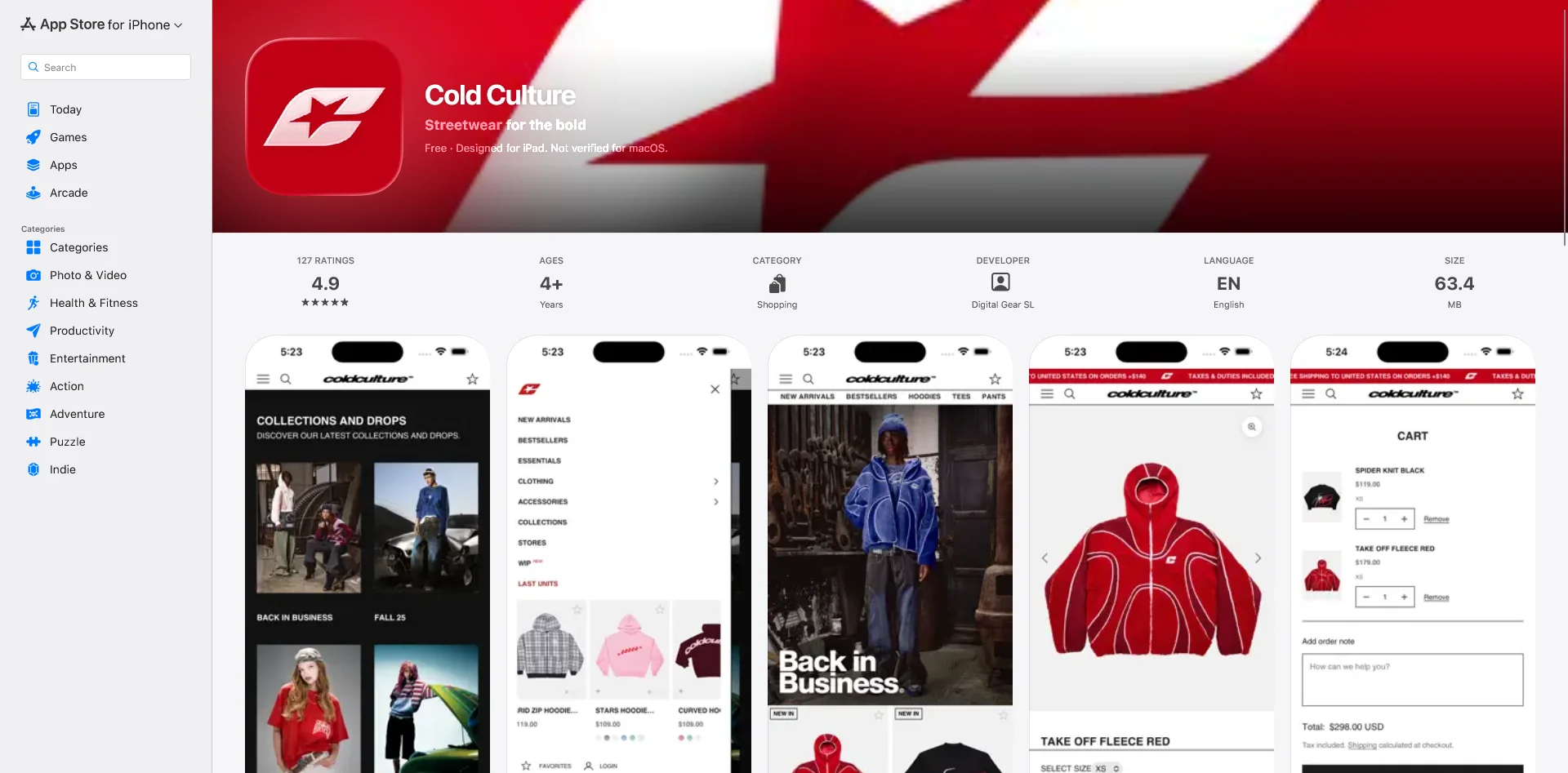
Cold Culture is a Spanish streetwear brand built around a weekly drop model, releasing new collections to nearly a million social followers. It launched a website-powered app with MobiLoud and reached more than 250,000 downloads without running dedicated promotion campaigns.
Revenue in the quarter after launch was 300% above projections. Push notifications replaced email as the main channel for drop announcements, with better reach and faster purchase decisions.
The app has a 4.8 rating on the App Store.
"With 250,000 downloads without promoting it... it gives you a presence as a brand that makes you more professional."
Are Hybrid Apps as Good as Native?
Hybrid apps aren’t quite as good as fully native apps. Native apps perform better, can feel more polished and can do more with the phone’s hardware.
But for a lot of apps, the difference is marginal. Is there a difference? Sure. Is it big enough to justify the extra cost and, more importantly, the extra overhead of maintaining a native app?
| Fully native app | Hybrid app | |
|---|---|---|
| How it's built | Swift for iOS and Kotlin for Android, or a cross-platform framework like React Native or Flutter | Web technology (HTML, CSS and JavaScript) inside a native shell |
| Codebases | A separate app to build and maintain alongside your website | One web codebase, often the website you already have |
| Updating screens | A new app release, through App Store review | Web screens update when the web content changes |
| Performance | The best possible, which matters for games and heavy graphics | Close enough for shopping, content and booking apps |
| Best suited to | Apps built around the phone's hardware, or teams with the budget for a dedicated mobile team | Web-first businesses that need the app to do what their website already does |
Across this list, from Gmail to Burger King to Cold Culture, the apps are rated well, handle real user volume and work in industries where reliability matters. None of them feel like compromises, and none of them look like shortcuts.
If you’re running an ecommerce store, a digital publication or any other web-first business that needs to replicate what your website already does, it’s simply more efficient to build a hybrid app that delivers 96% of what a native app would.
"If we had unlimited time and money, we would probably go for a custom native app, but that is half a million to a million a year to maintain."
Choosing hybrid technology isn’t a concession. It’s an engineering decision based on what the team needs to build and maintain.
In most cases, users have no idea what framework an app is built on. What they notice is whether the app works.
How to Build a Hybrid App for Your Ecommerce Brand
MobiLoud can turn your existing website into a native iOS and Android app, typically within 2 to 4 weeks, if you run an ecommerce store, news site or content-driven brand on any major platform.
Your website stays the single source of truth, and your app updates automatically when your site does. Push notifications, App Store presence and native device features are included.
- Book a free strategy call. We’ll walk you through a preview of your app, answer your questions and help you decide whether a hybrid approach fits your brand.
- We build the app. MobiLoud handles setup, design, configuration, testing and app store submission.
- Go live in 2 to 4 weeks. Your app launches on iOS and Android, and MobiLoud handles all ongoing maintenance.
Get a free app preview and see what your mobile app could look like.